

CELEBRATING THE LEGACY OF CREATIVE EXPRESSION

Visions of freedom
Film Festival

BASHA UHURU FREEDOM FESTIVAL

The Basha Uhuru Visions of Freedom Film Festival presents the 2025 Edition!

Space is limited, don’t miss out!

27 June 2025

11:00 – 20:00

Women’s Jail, Conference Room 2

The Visions of Freedom Film Festival

A New Generation. A New Language of Freedom.

A powerful day of screenings and talks commemorating Youth Month and honouring the spirit of the 1976 Youth Uprising, featuring 7 thought-provoking films and engaging conversations.
The Visions of Freedom Film Festival returns in 2025 with a bold new focus: South African student filmmakers.

Raw, real, and radically creative. This special edition is a celebration of emerging voices using cinema to reflect, resist, and reimagine.

Inspired by the fearless spirit of the youth of ’76, the festival creates a space for students and new graduates to share the stories they’ve fought to tell — stories born from late nights, low budgets, and limitless ambition.

Cinema as Protest. Storytelling as Power.
For many young filmmakers, the path to creation is paved with obstacles — from limited access to education to the ongoing struggle for safe housing, tuition, and time.

Still, they rise.

Still, they write, shoot, edit, and share their visions of what freedom could look like.

This festival is here to amplify those visions and offer more than just applause.

Industry leaders will be invited to connect with standout filmmakers, creating real opportunities for mentorship, collaboration, and career growth.

Free to Attend — RSVP Essential
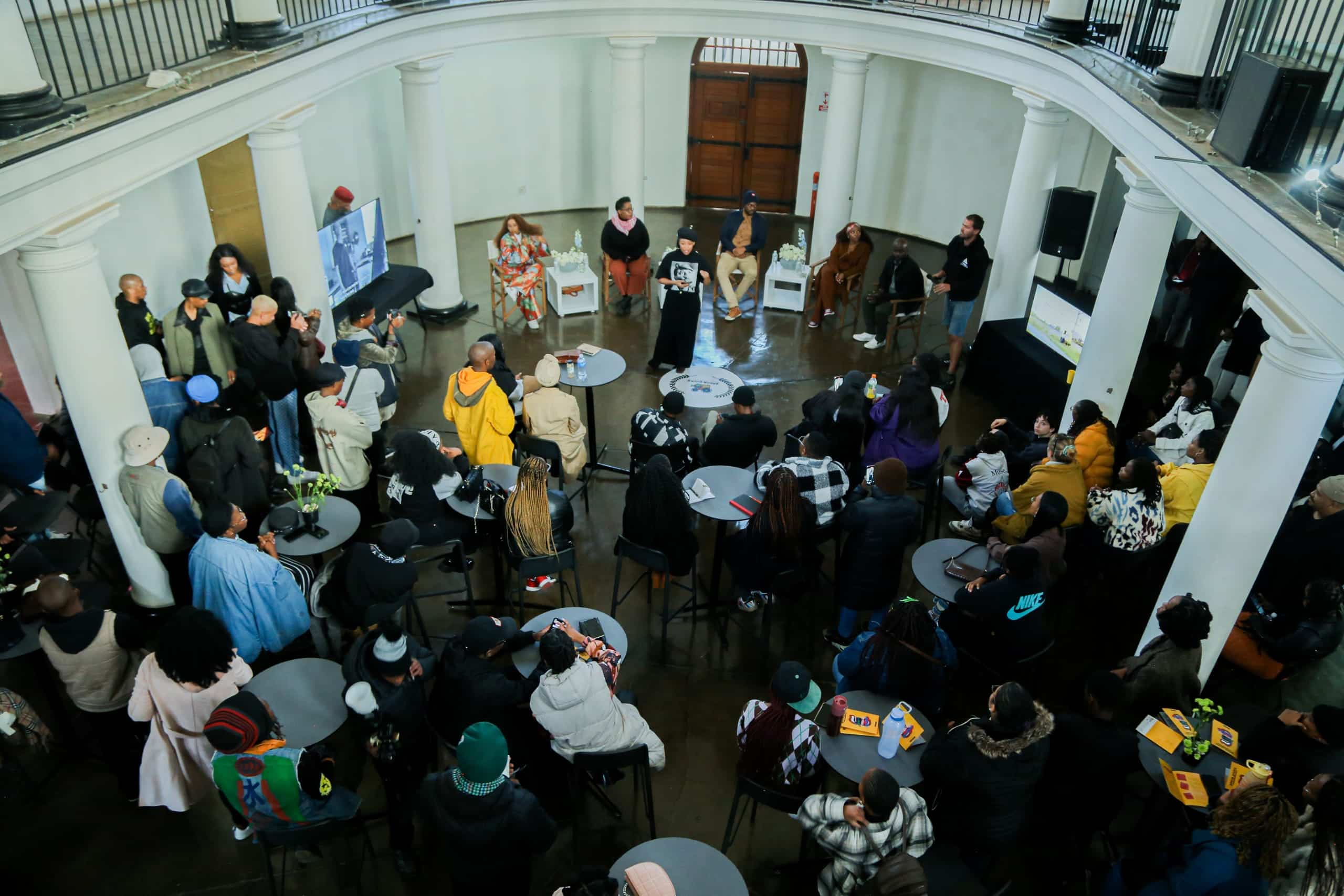
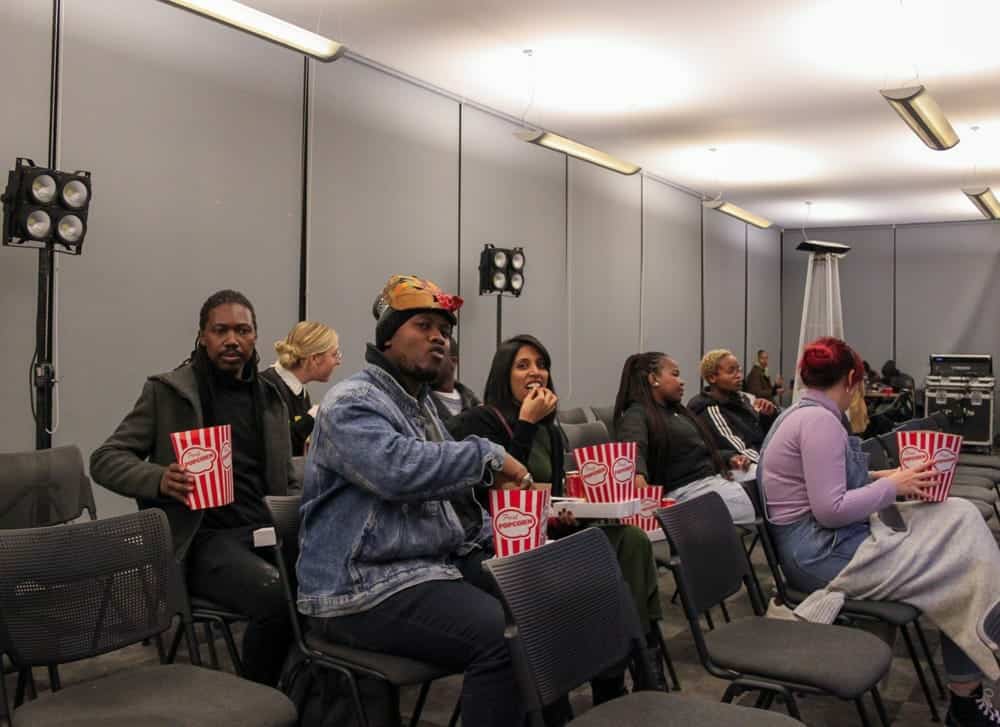
As part of the Basha Uhuru Creative Conference, this film festival is free and open to the public. Attendees will be able to RSVP in advance and curate their own experience by selecting the screenings and sessions most aligned with their interests.

Dress Code: High School Revolutionary – Channel the courageous spirit of 1976 student activists. Think: Reimagined school-inspired looks: blazers, ties, satchels, and tunics.

Lights. Camera. Liberation.
A powerful day of screenings and talks commemorating Youth Month and honouring the spirit of the 1976 Youth Uprising, featuring 7 thought-provoking films and engaging conversations.
Whether you’re a fellow student, a future mentor, or a film lover hungry for something real — join us.

Watch. Reflect. Celebrate.

Let the next generation of storytellers show you their Visions of Freedom.

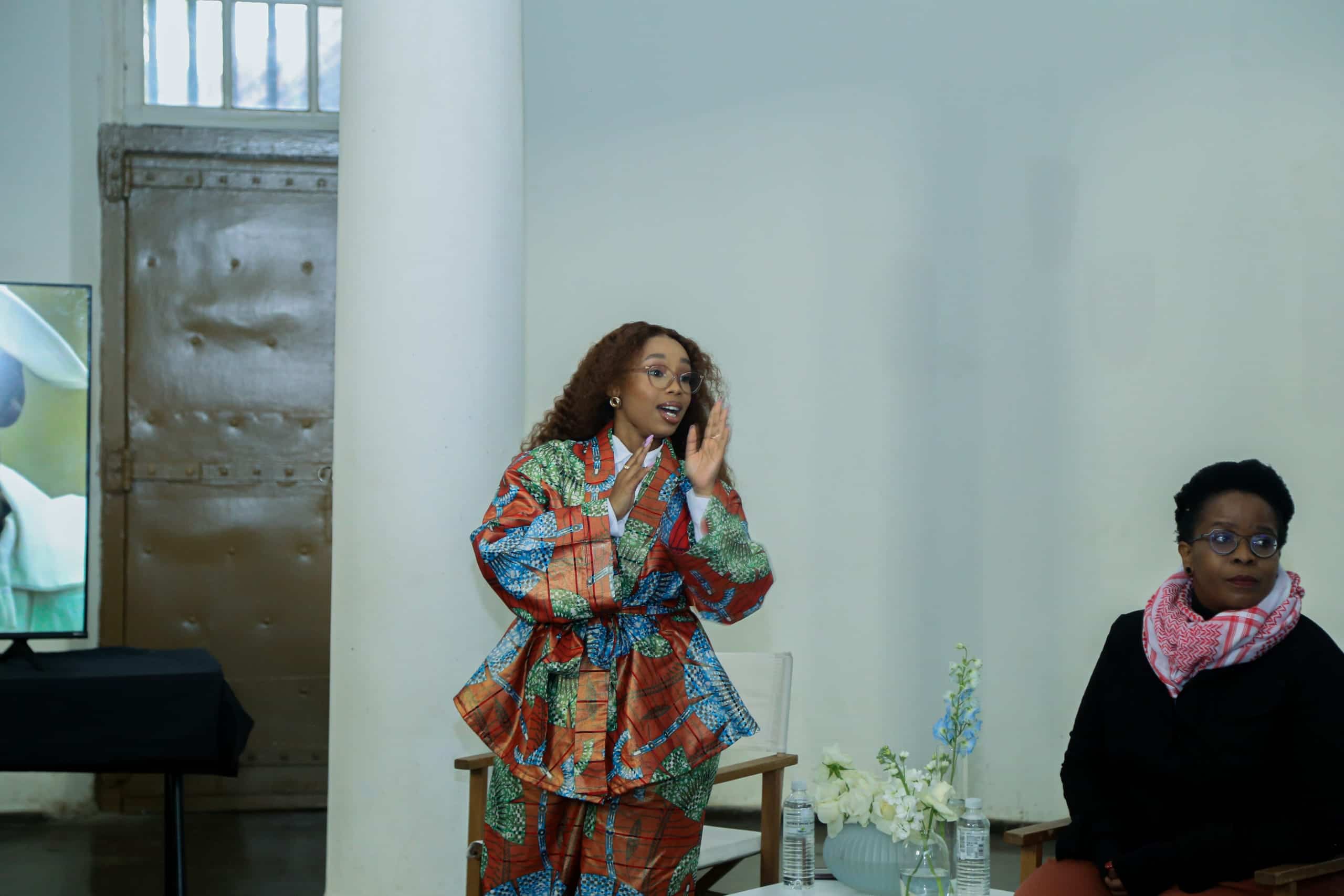
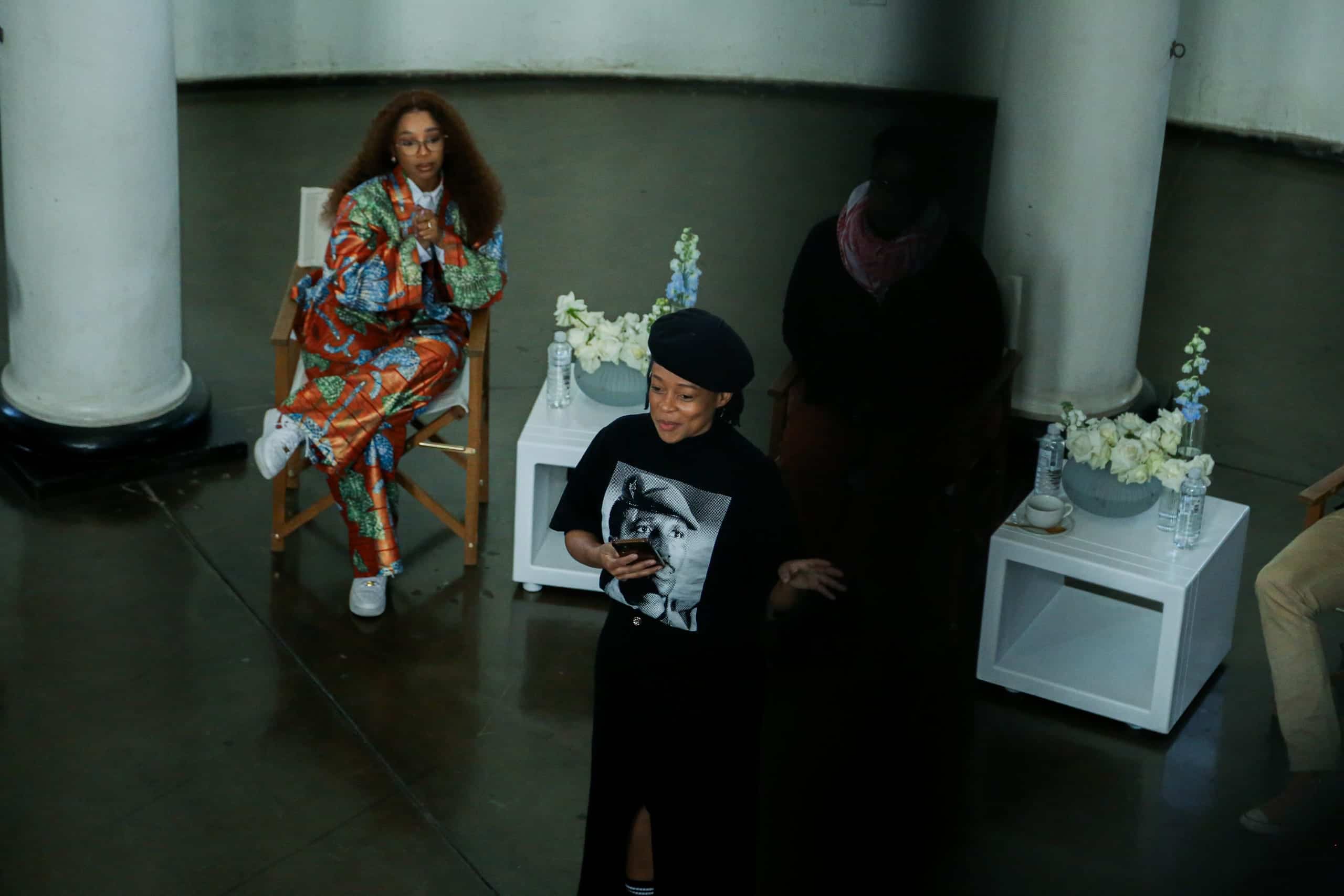
GINA GALALETSANG KOFFMAN

GINA GALALETSANG KOFFMAN

Host

Interdisciplinary creative and powerhouse performer, Gina is a qualified TV, film, and stage practitioner whose talents span voice-over work, presenting, corporate MC’ing, motivational speaking, acting coaching, creative direction, production management, and executive producing.

She made her mark with a breakout lead role in Kleva’ish, which won Best African Film at the Cannes World Film Festival (2023) and Best Feature Film at the National Film and Television Awards (2023). After six years at Tshedza Pictures, Gina received Best Supporting Actress nominations at both the Royal Soapie Awards and the NFTA in 2024.
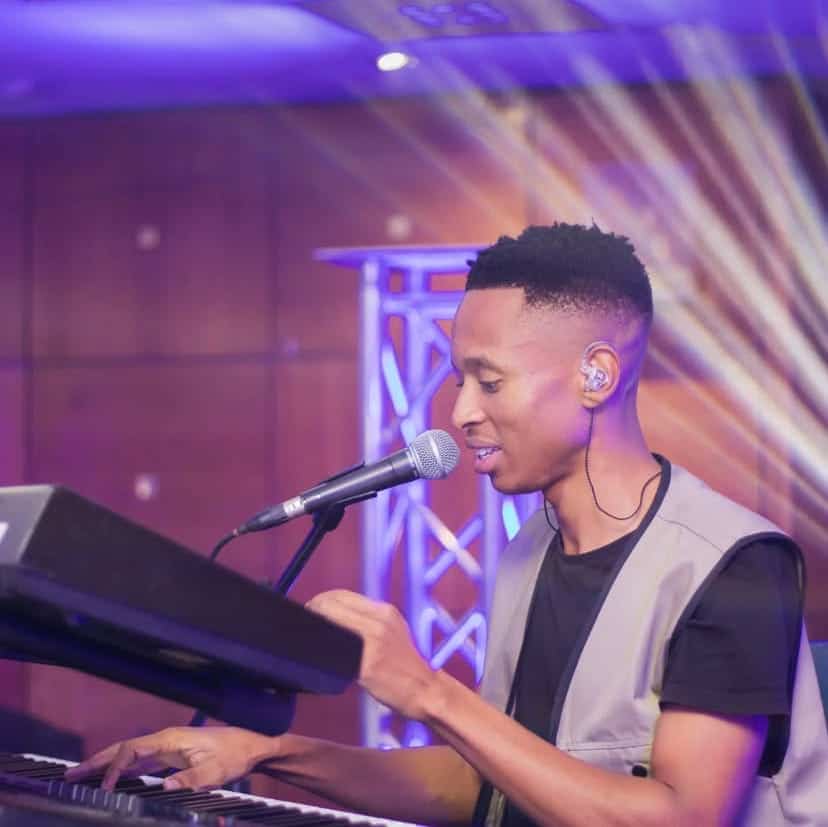
Terry D

Terry D

Performance

A talented and versatile music producer, singer and composer. Terry D straddles Gospel, Afro-soul, Afro-pop, and EDM expertly.

Festival Co-Producers

Festival Co- Producer Statement

The Basha Uhuru Freedom Festival commemorates the fearless spirit of the 1976 youth who resisted inferior education, recognizing the transformative power of quality education. Forty-nine years later, the struggle for accessible and equitable education persists. Despite these challenges, South African film students continue to produce remarkable work, driven by passion and dedication. Through cinema, these young artists contribute to the national discourse, exploring themes that resonate with their experiences and aspirations. The Visions of Freedom Film Festival 2025 – Student Edition salutes the activism of the 1976 students by centering student films, providing a platform for emerging filmmakers to contribute to the canon of film and discourse.
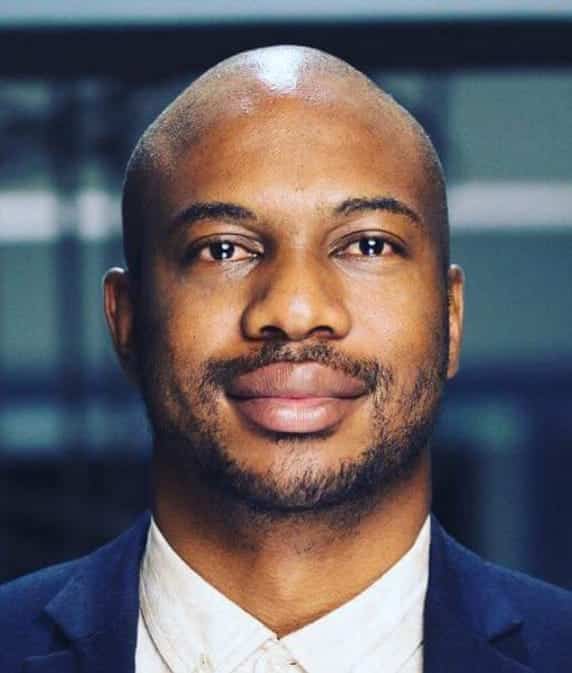
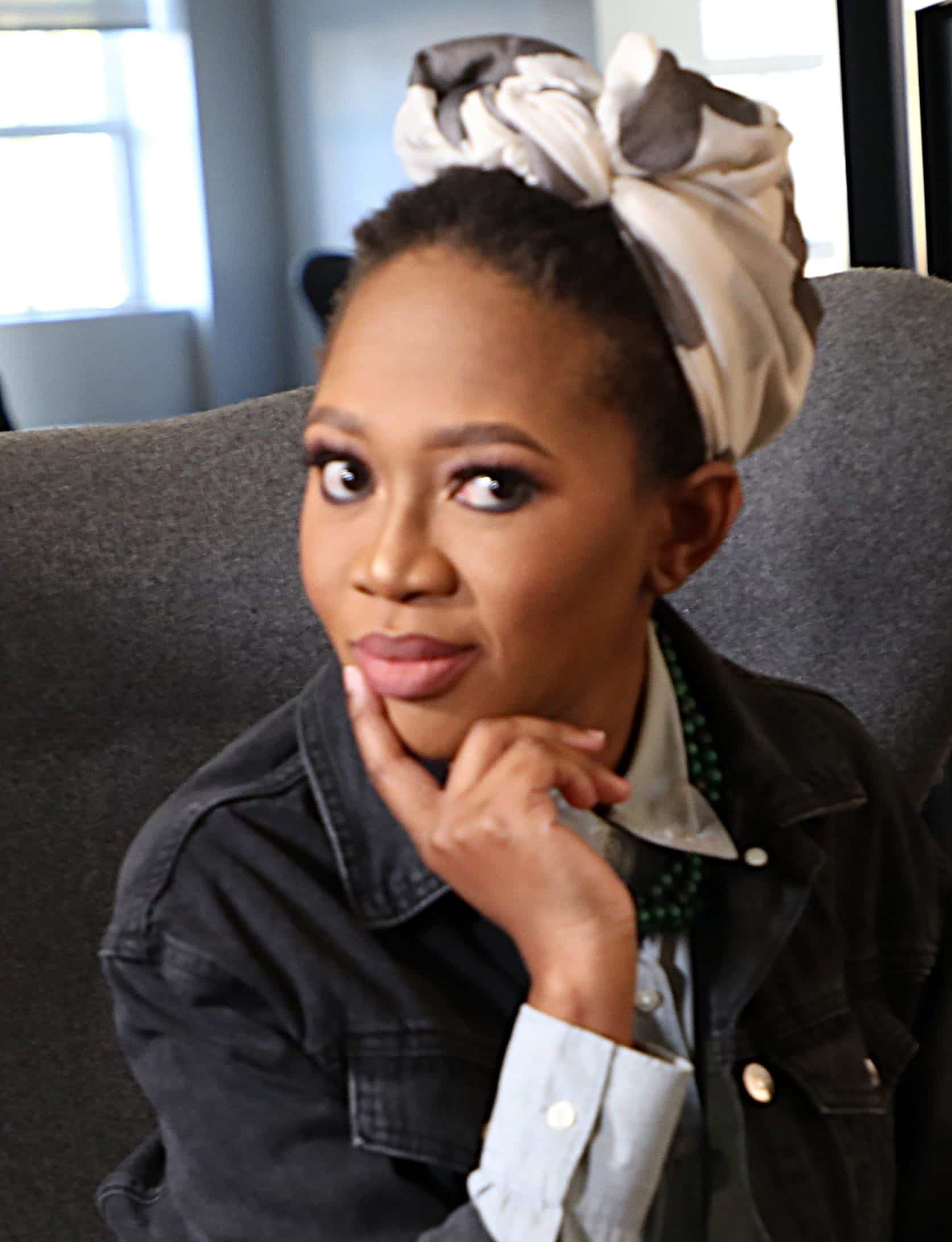
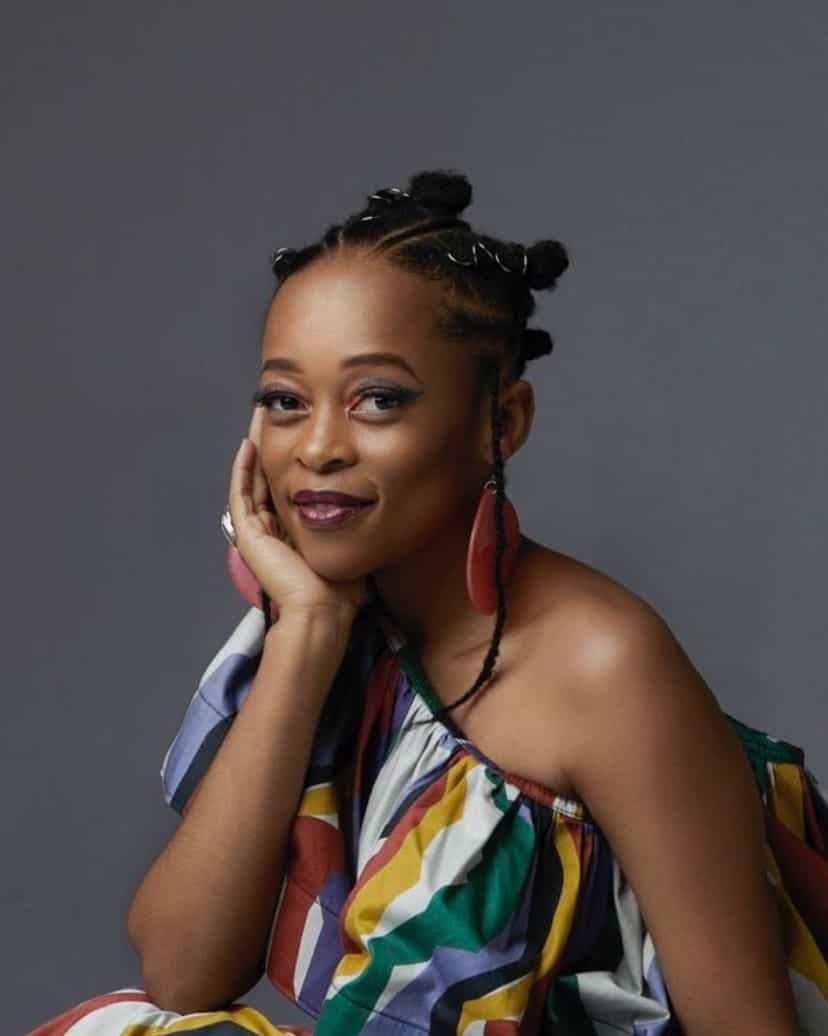
Refilwe Montsho & Mmabatho Montsho
Festival Co-Producers
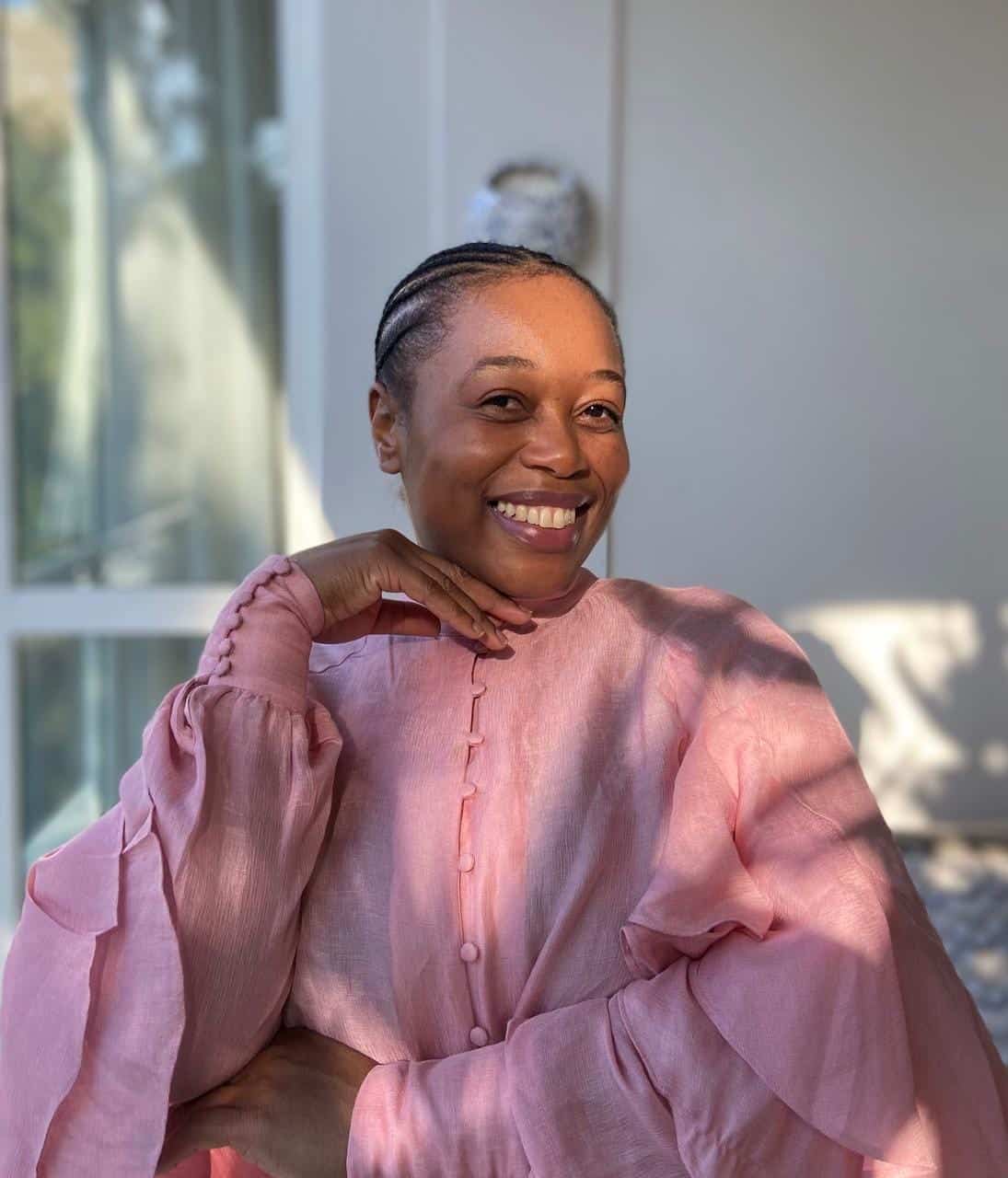
Refilwe Montsho
Refilwe Montsho

Mmabatho Montsho

Mmabatho Montsho

27 June 2025

Programme

TIME

Title

Description

11:00 – 12:50
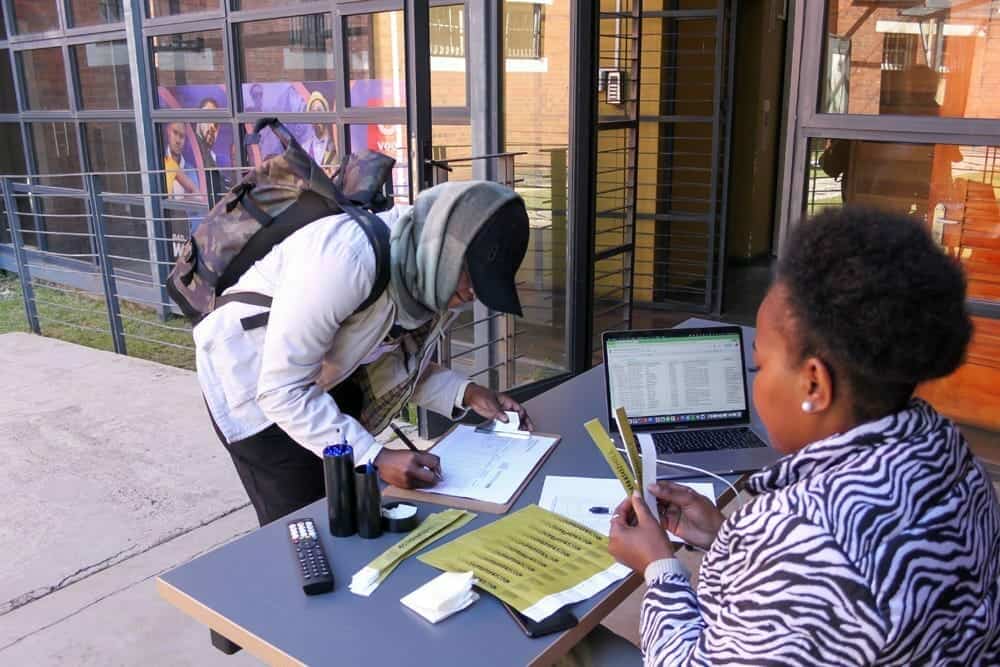
Arrival and Registration
12:00 – 12:15
Welcome Note
Welcome Note
12:15 – 13:45
1976 History Films
Enos Ngutshane – 1976 student leader story (48 mins)
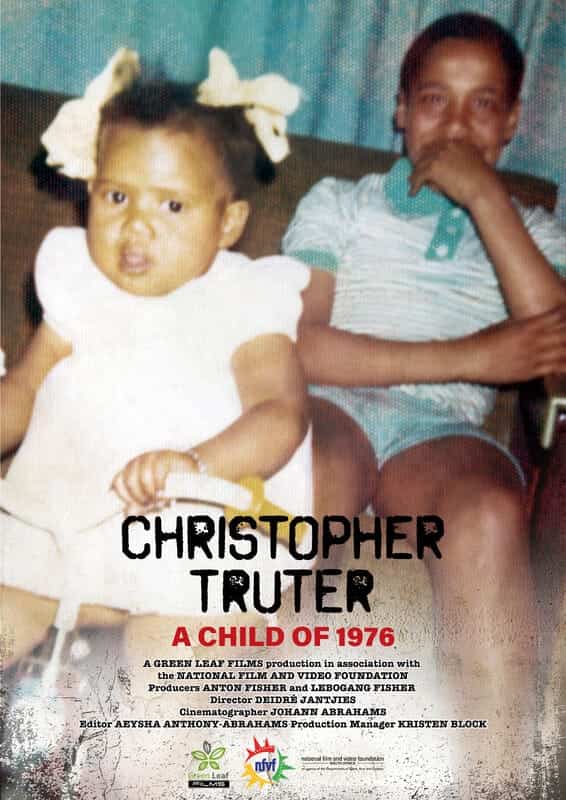
Christopher Truter, A child of 1976 – First coloured student killed in 1976 uprising (24 mins)
13:50 – 14:15
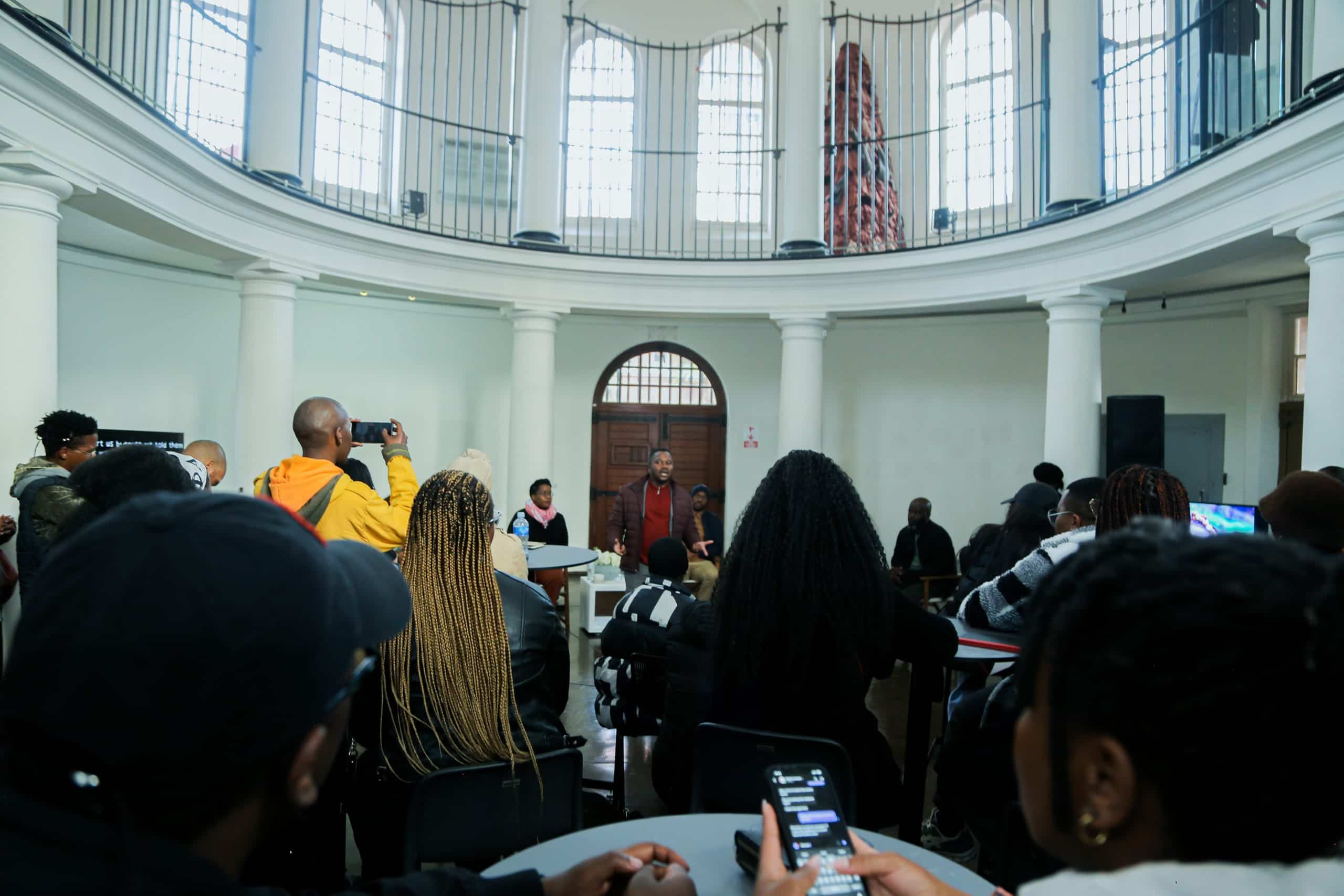
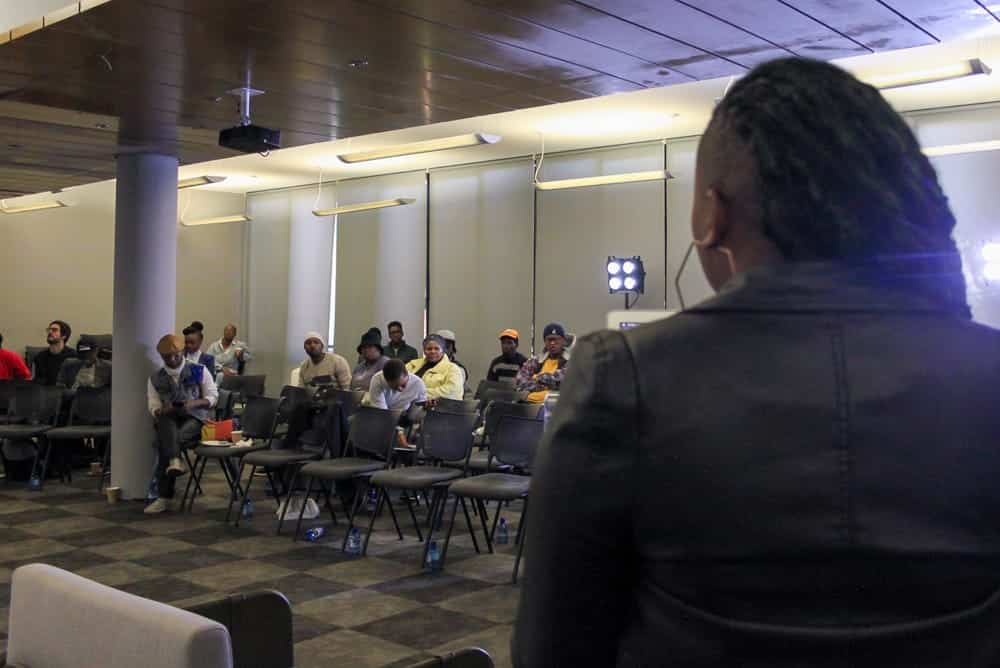
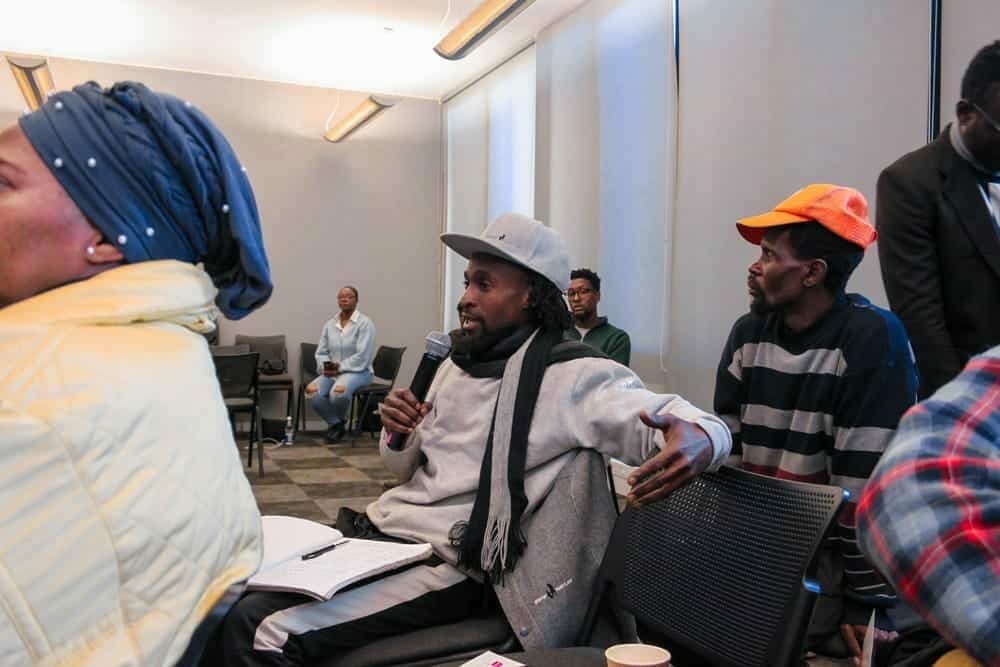
Q&A With Filmmakers
Q&A With Filmmakers
14:15 – 14:30
1st Break (and registration)
14:40 – 15:00
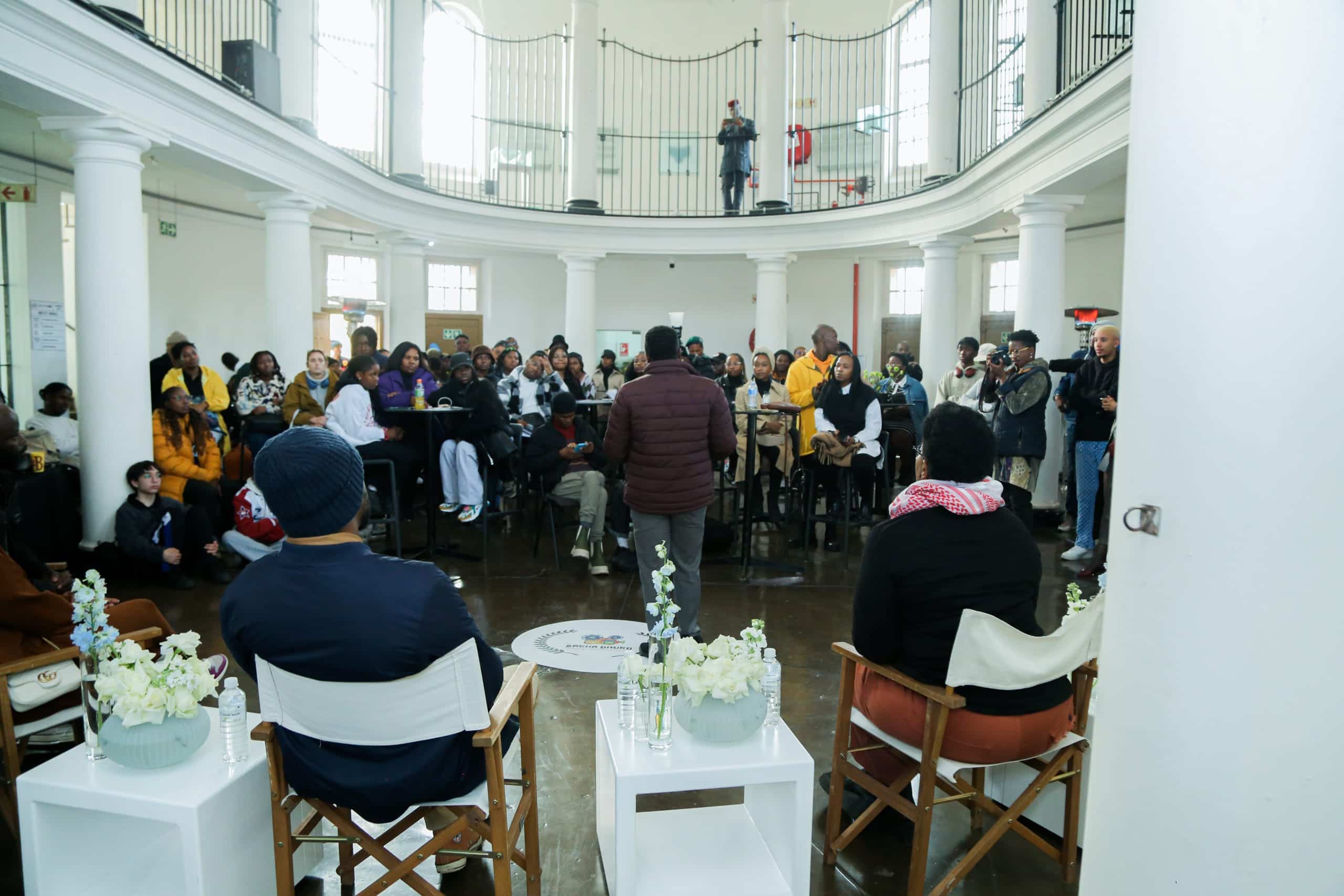
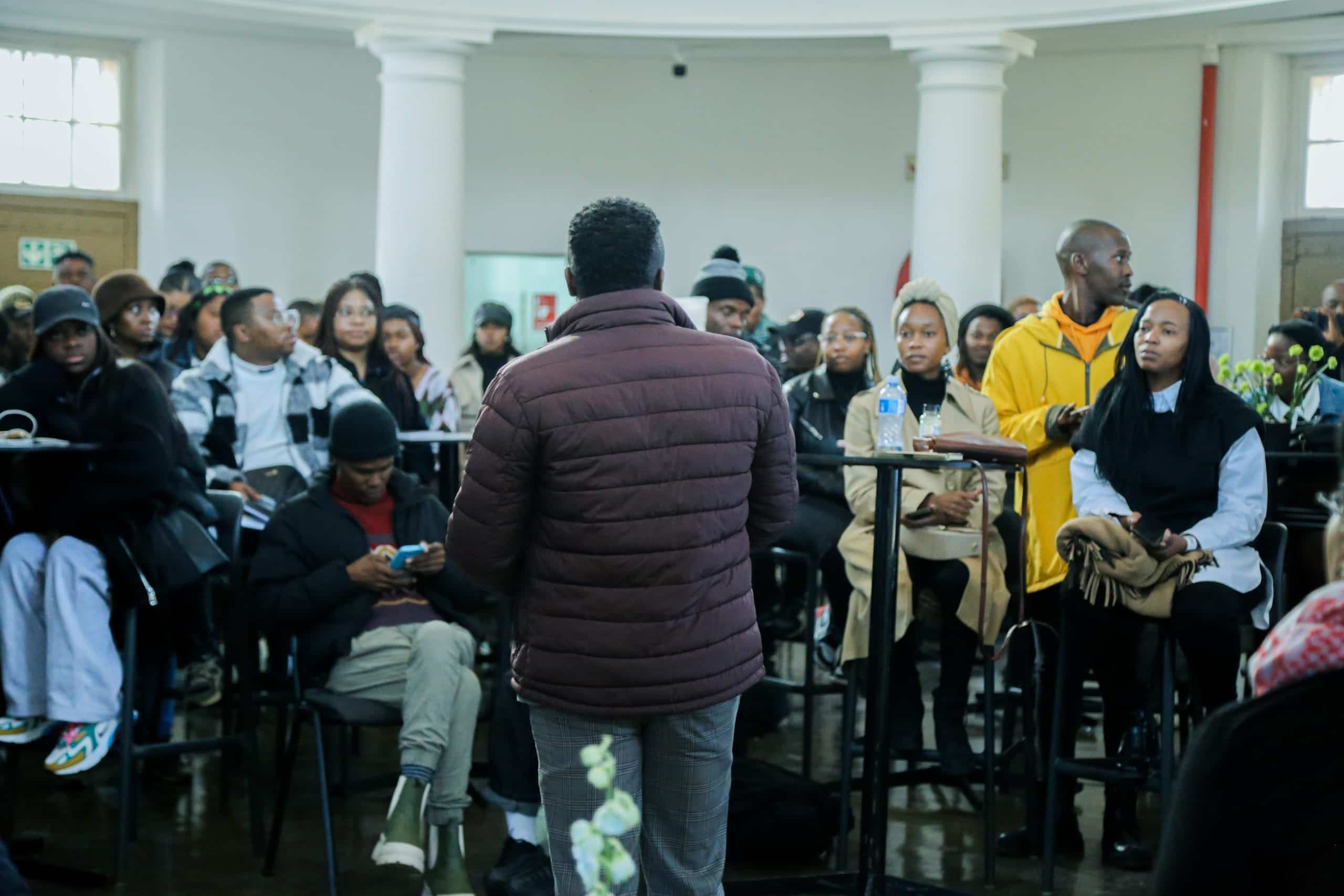
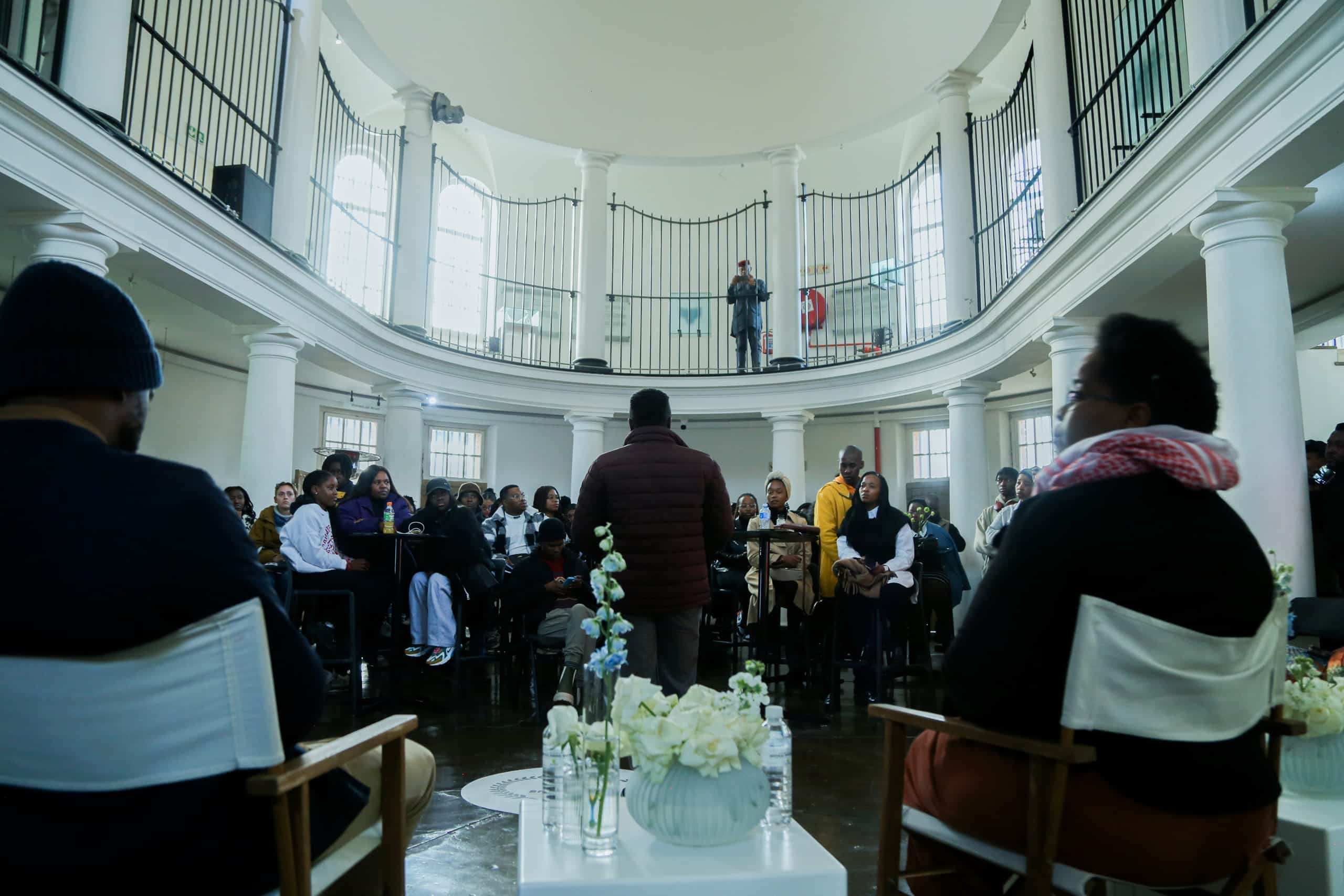
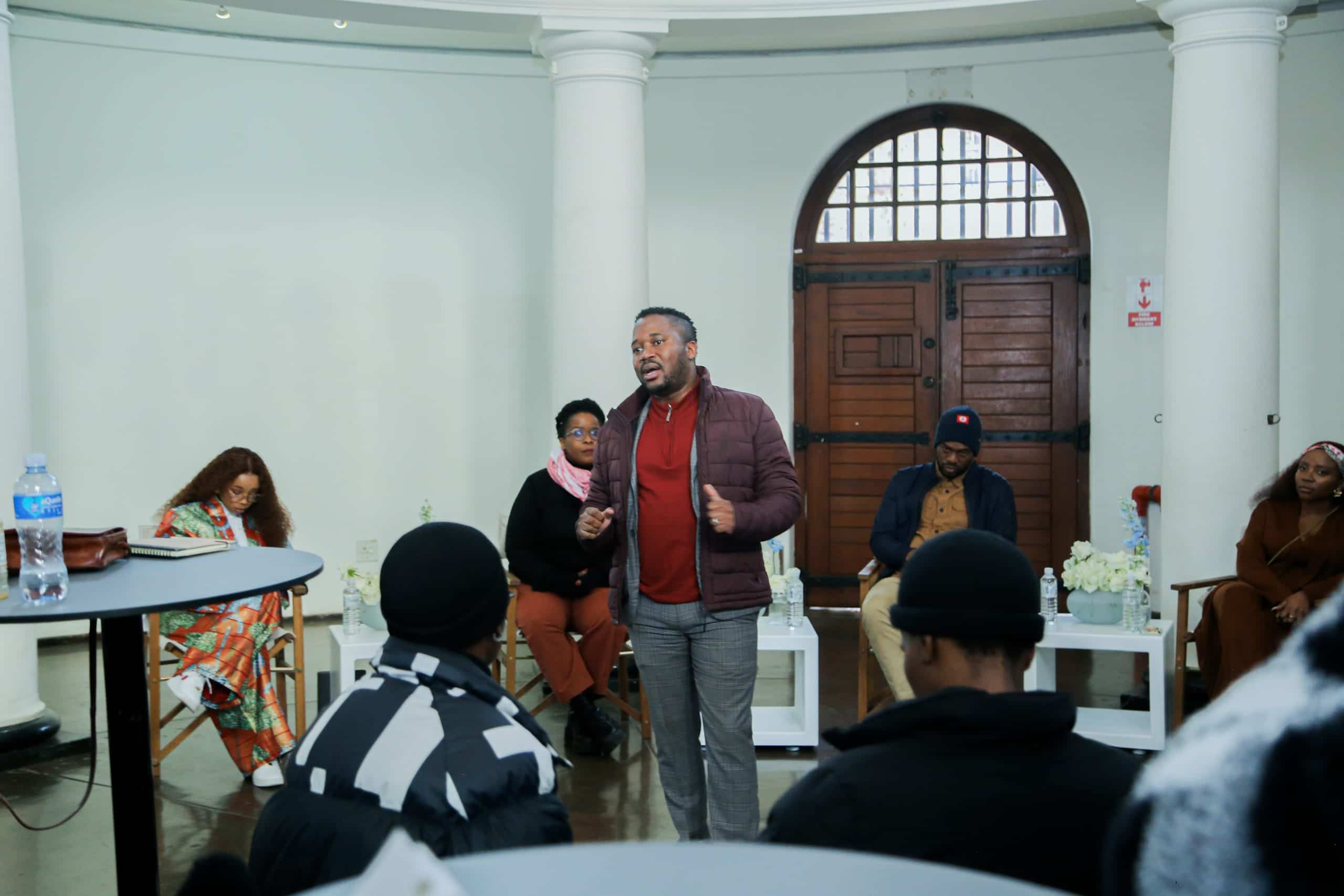
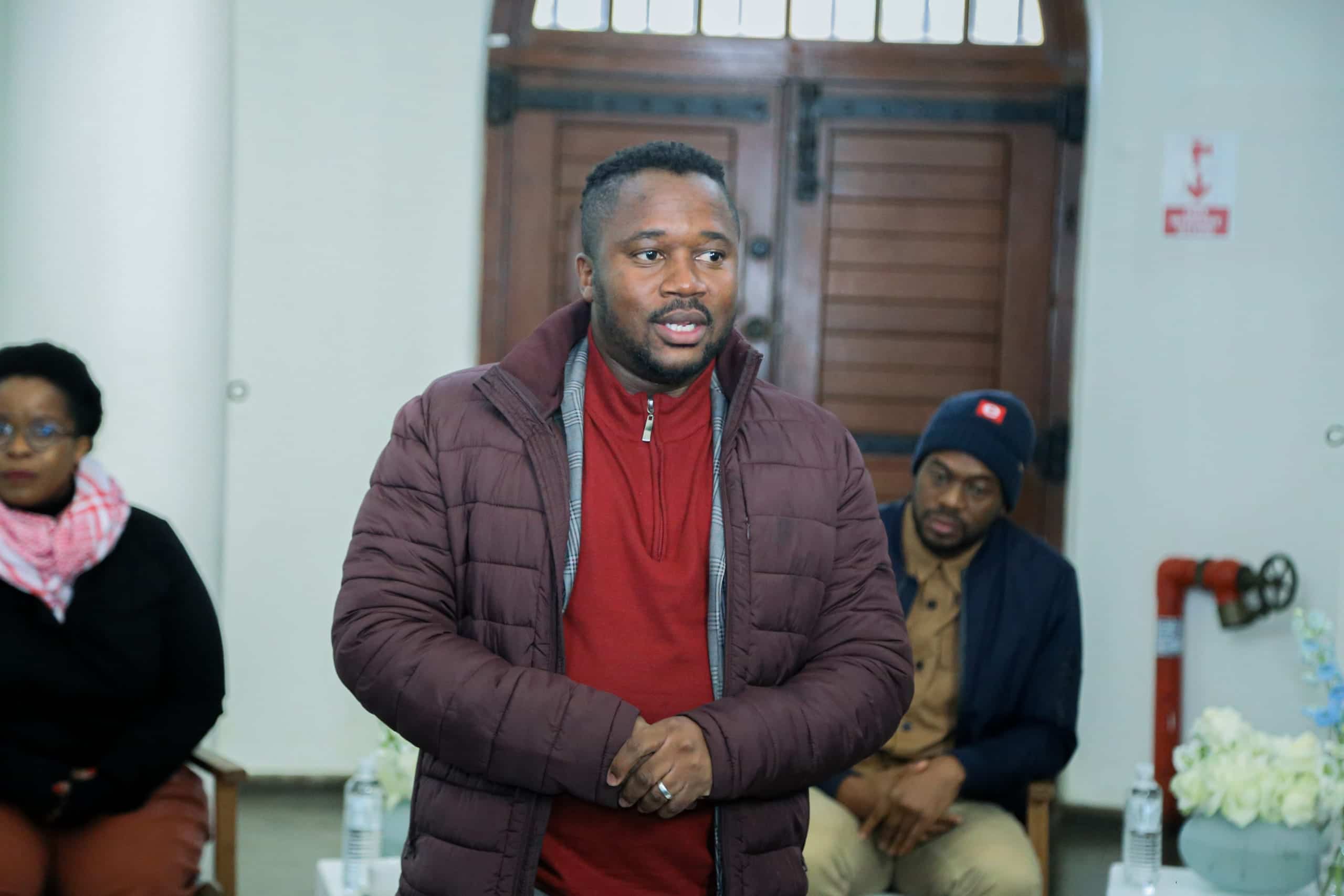
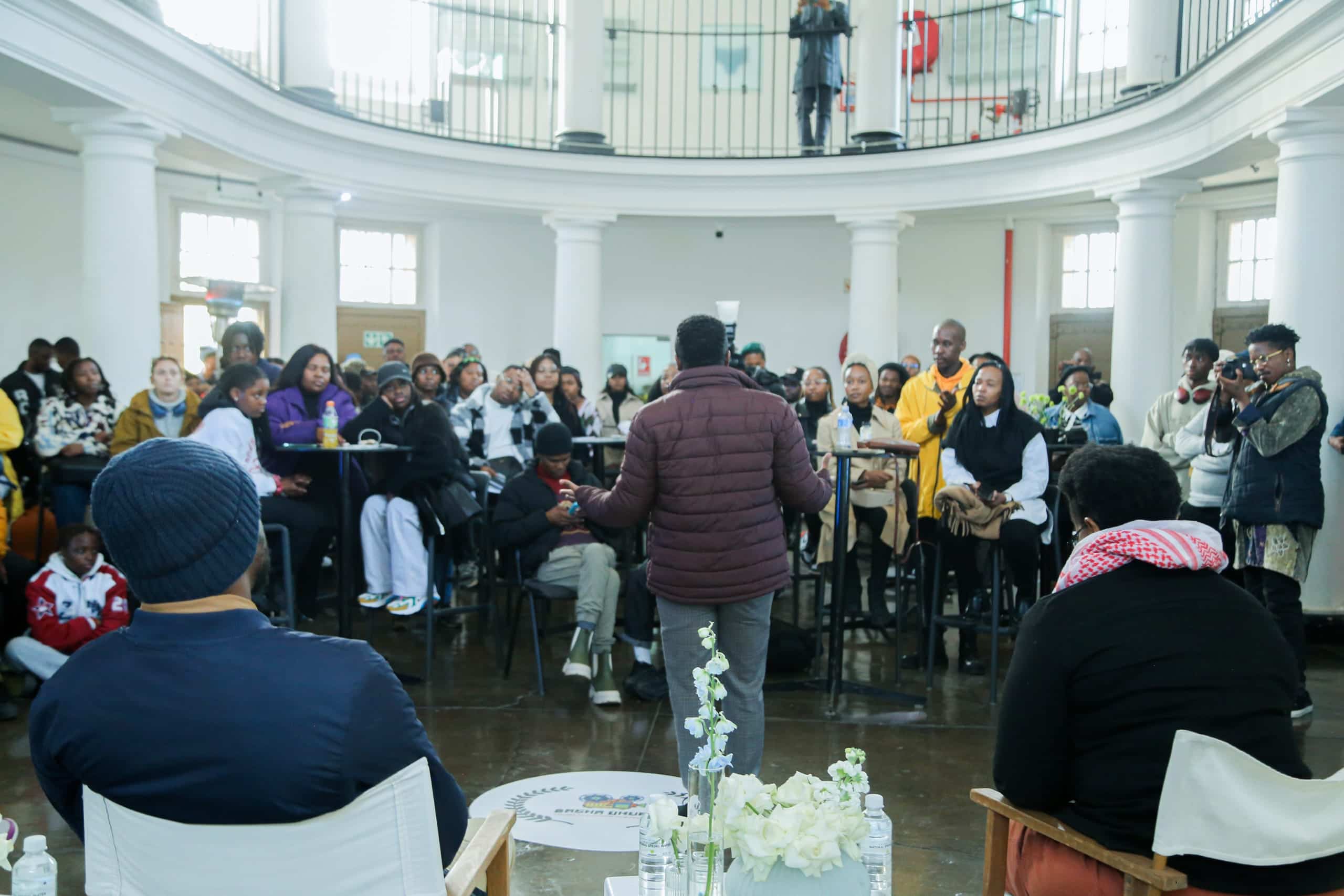
Debate
Debate Topic:South African TV Programming Does Not Help Conscientise School-Aged Children to Engage & Participate Meaningfully in National Discourse
15:05 – 15:30
Response to Debate by Industry Leaders
15:30 – 16:00
2nd Break (and registration)
16:00 – 16:35
Films in Competition
Film Titles:
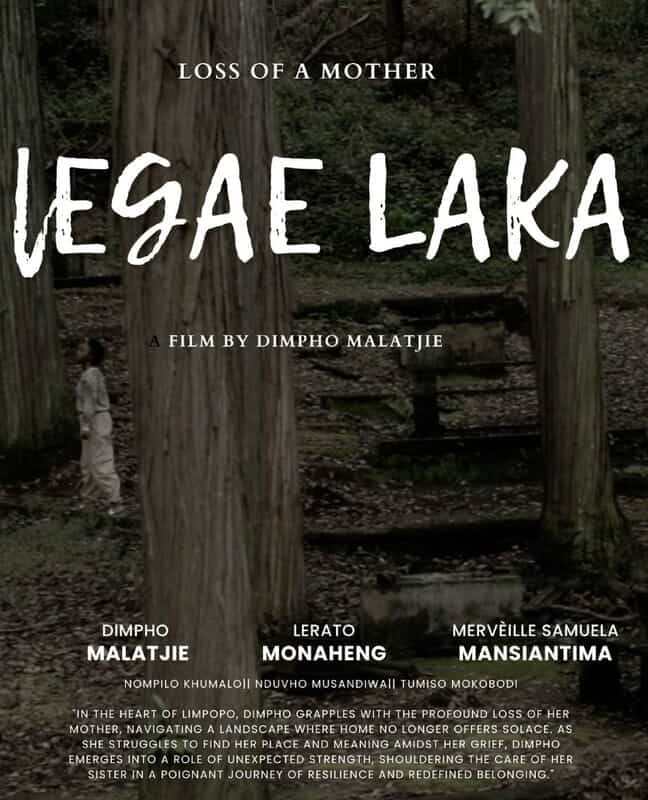
Le Gae Laka – A meditation on grief and the meaning of home.
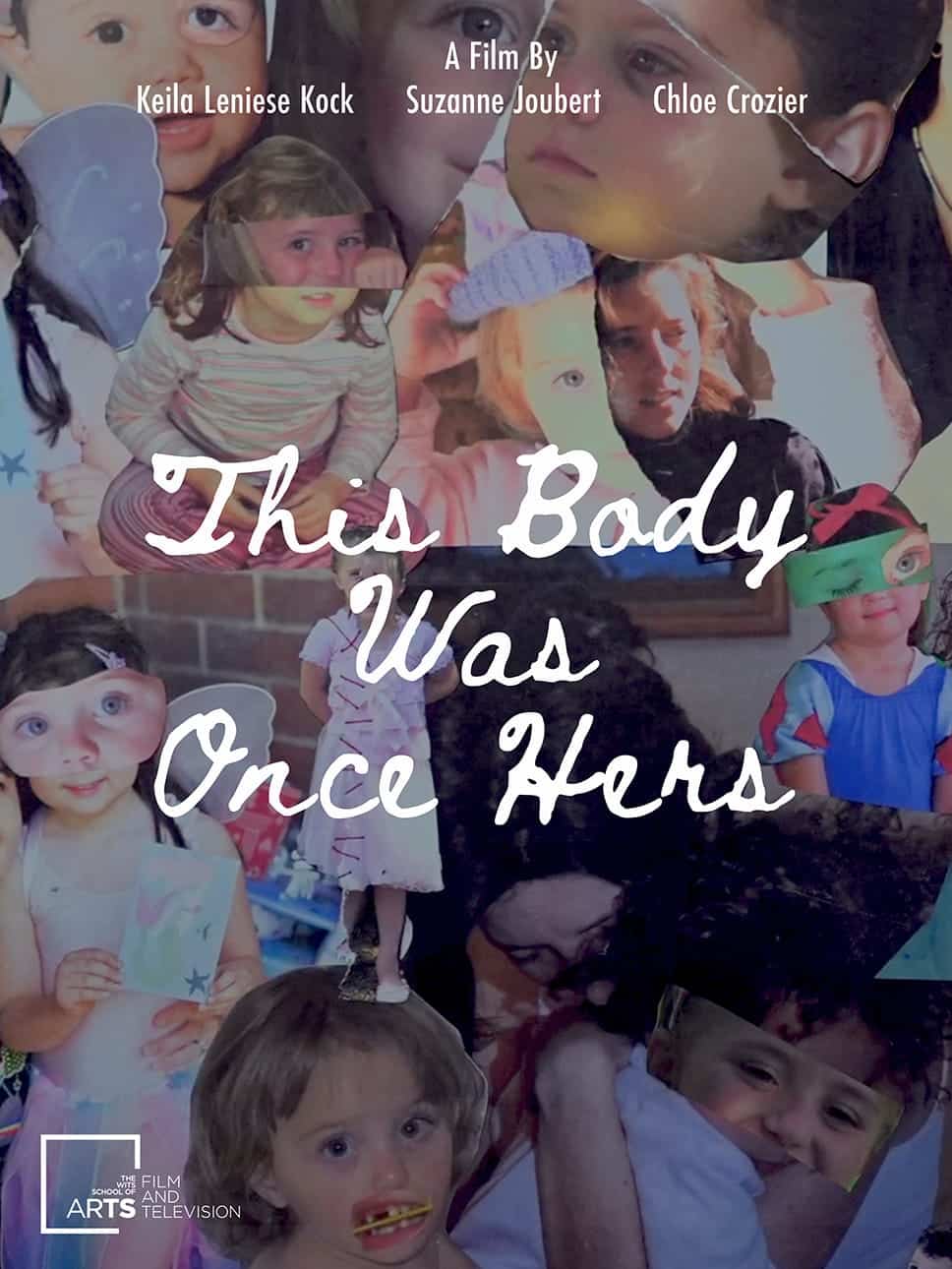
This Body Was Once Hers – An exploration of generational trauma & body image.
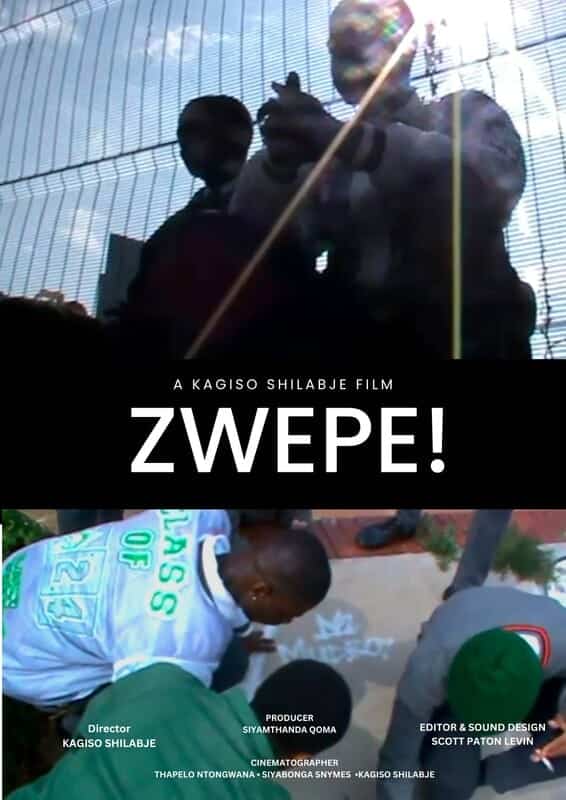
Zwepe – Unpacking the culture and social dynamics of a coin toss game.
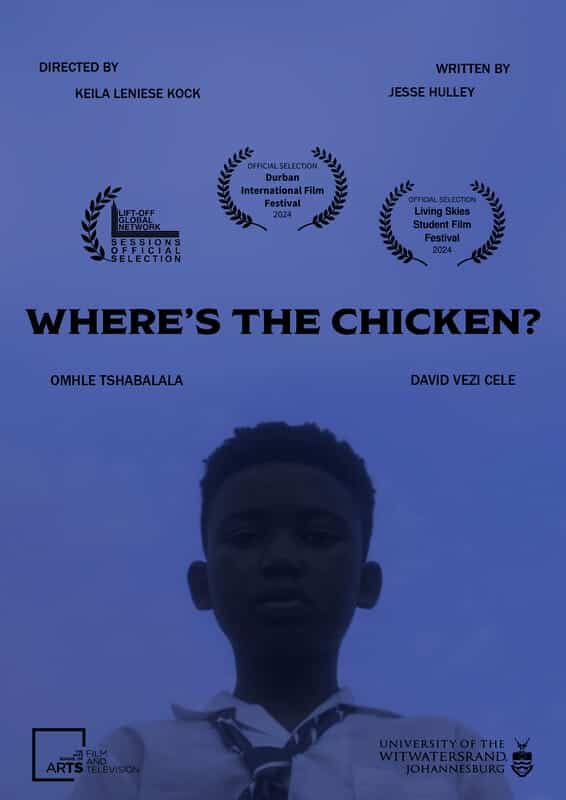
Where is the Chicken – Bullied at school and abused at home, Luyanda dreams of escaping.
16:40 – 17:00
Q&A With Filmmakers
Awards:
Best Performance
Best Student Film
Award for Spiritedness
Rising Star Award
17:10 – 17:30
Awards
Awards
17:30 – 18:00
Registration for Closing Film
18:00 – 19:30
Closing Film
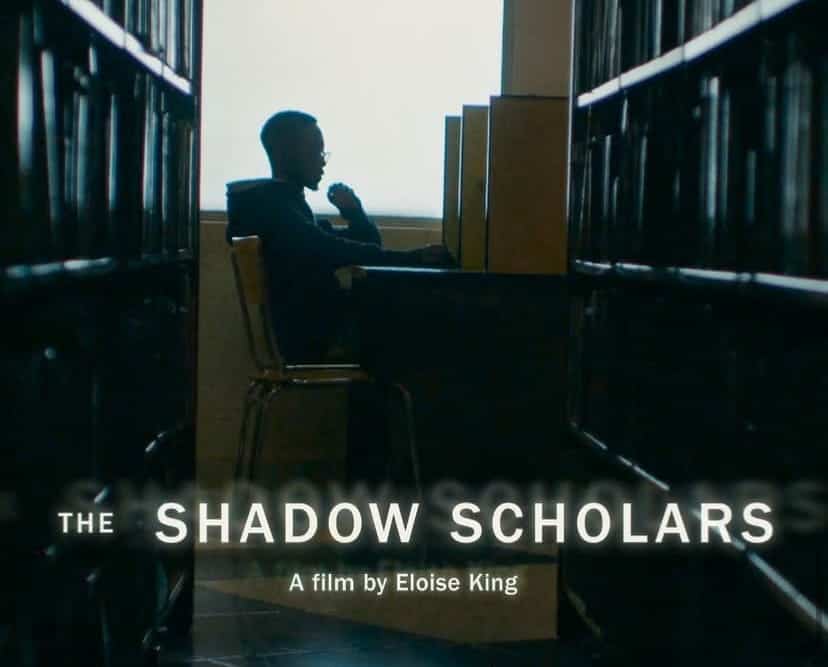
The Shadow Scholars – Closing film

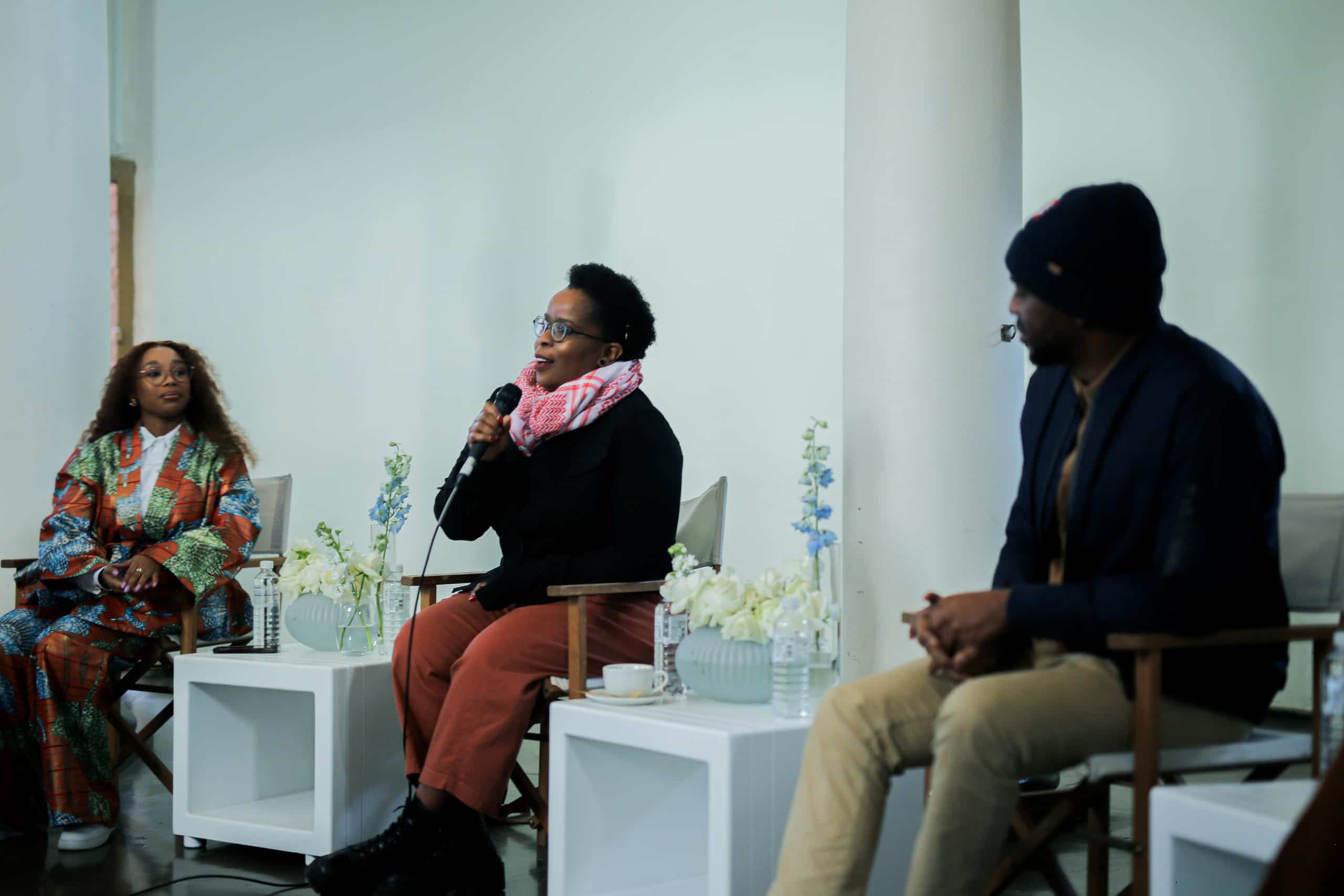
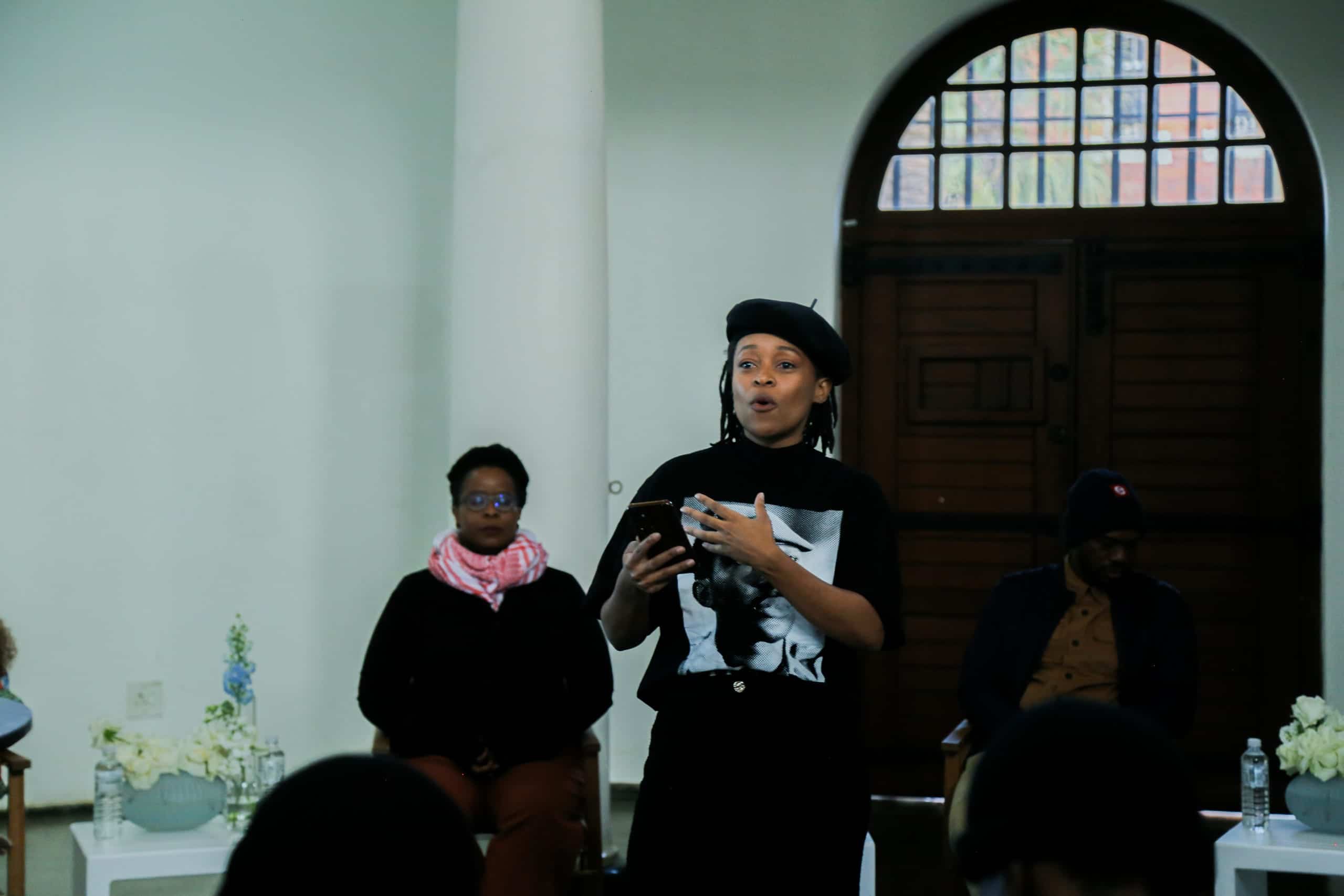
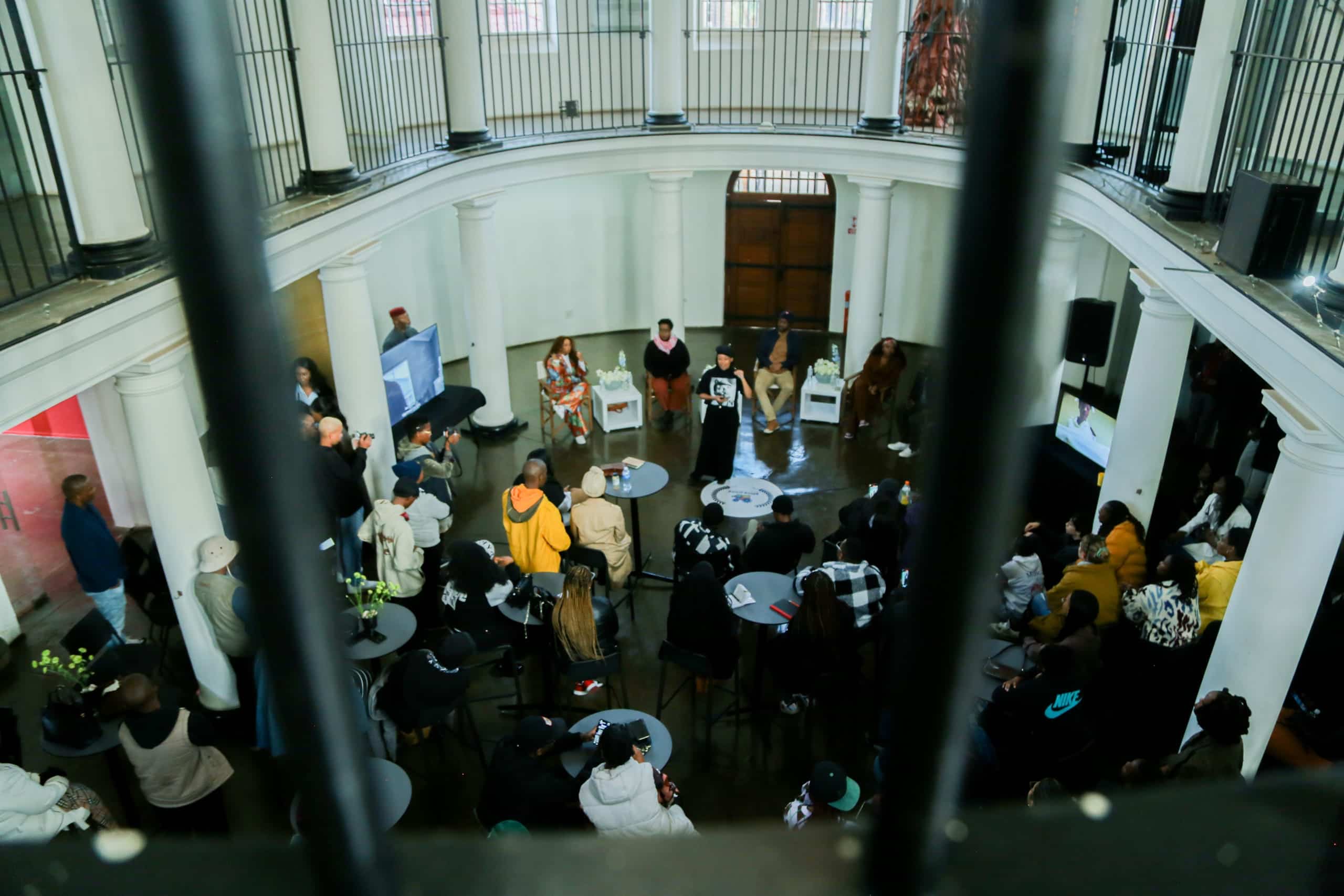
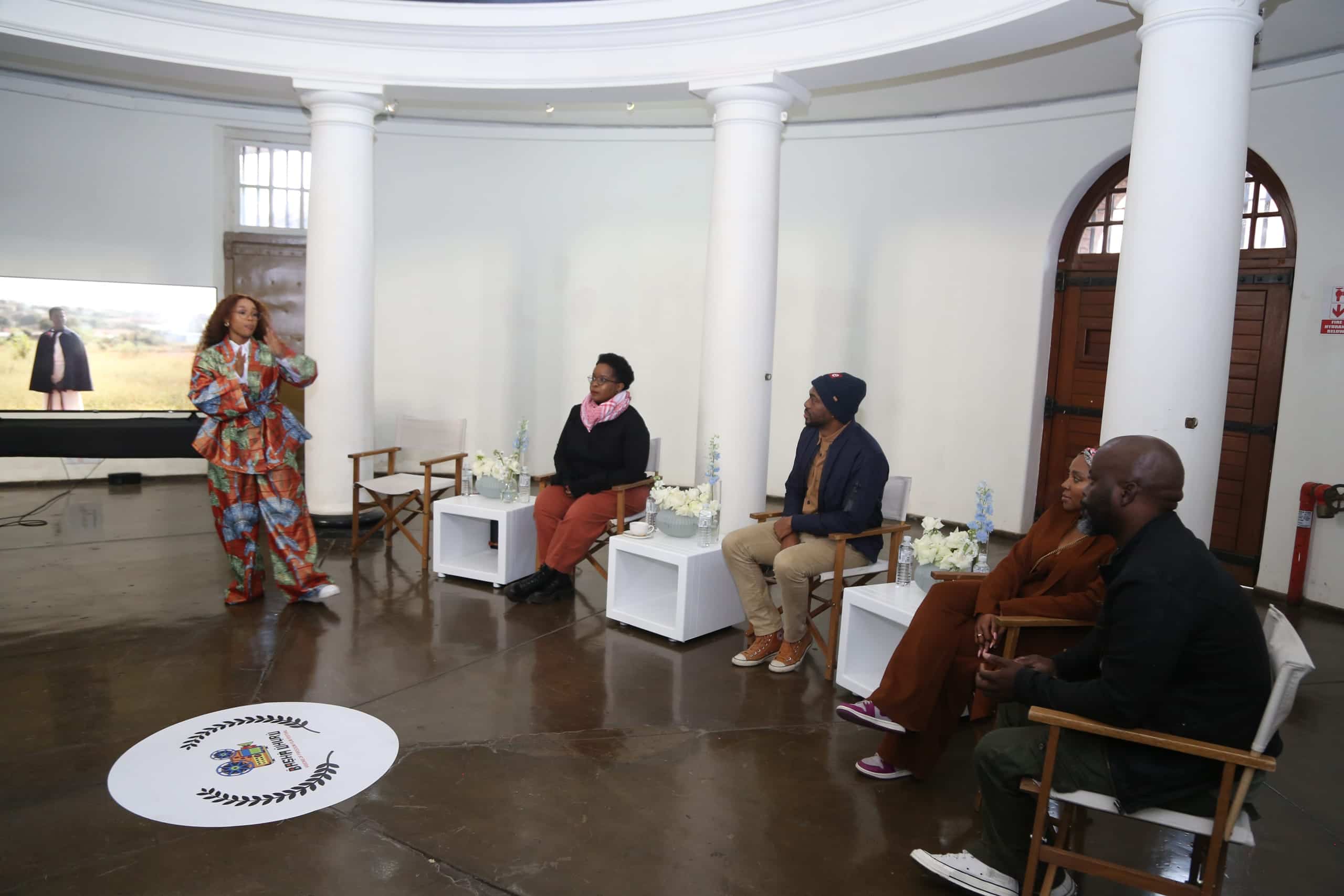
Industry Panel Responding to the Debate

Panel Discussion

2025 The Big Film Debate
Topic: “South African television programming fails to conscientise or empower today’s school-going youth to engage and participate meaningfully with national issues.”
Constitution Hill Debate League is run by the Tehuti Institute and Constitution Hill, in partnership with the Gauteng Schools Debating Board. CHDL is a debating league aimed at development and enrichment in Gauteng.
Unathi malunga

Unathi malunga

SASFED

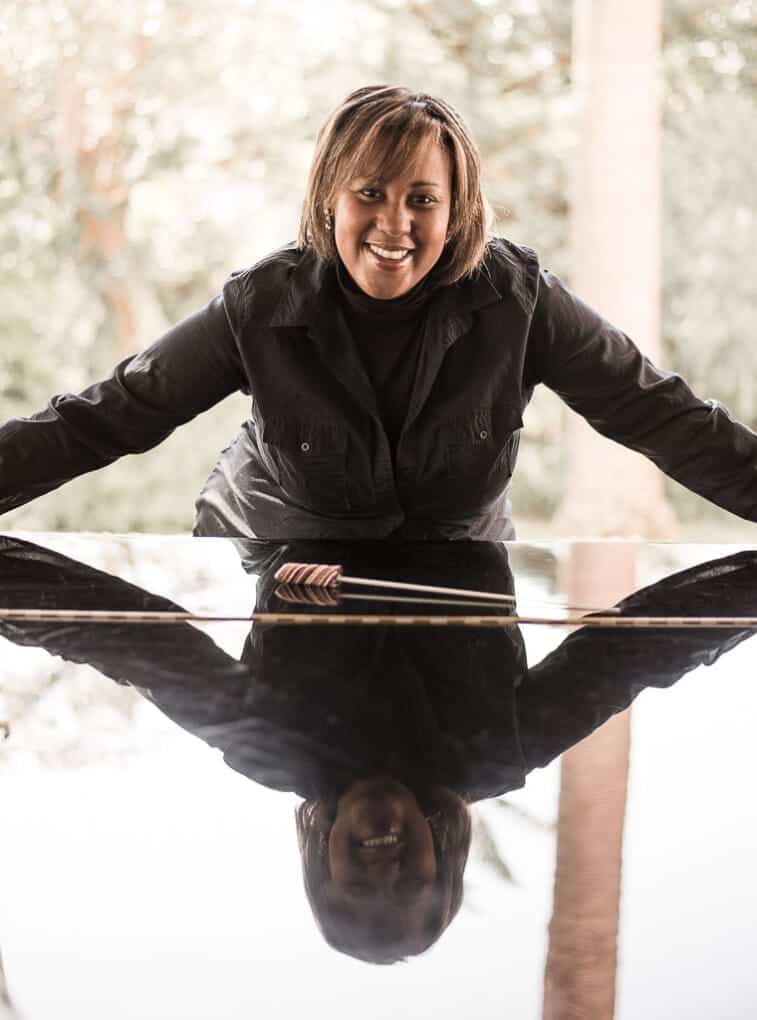
Unathi is Executive Officer of the South African Screen Federation (SASFED). She has an LLM from UCLA, and is a classically trained pianist and cellist. Her work as an entertainment lawyer and consultant in the entertainment industry has spanned a range of media platforms, and includes film, television broadcasting, music, visual arts, publishing, theatre, dance, live events and sport. She has been involved in education, sponsorship and funding, rights strategies, trade exchanges, licensing programmes, product placement, drafting, negotiation and project management. Malunga, respects the values of others and the importance of diversity.
Thabang Petla

Thabang Petla

Executive Producer

Thabang is a seasoned writer, director, and film editor with over 15 years in the film and television industry. He has extensive experience commissioning daily drama, telenovela, drama and reality television. Thabang honed his craft in his previous roles at SABC, Fullframe Pictures, NEMISA and Dzuguda Productions. He holds a Batchelor in dramatic Arts in television,writing and film studies from Wits university. Thabang currently works as an Executive Producer at ETV.
Nonzwakazi Cekete

Nonzwakazi Cekete

Moja Love

Nonzwakazi is the Senior Executive Producer & Editor-In-Chief at Moja Love. She holds a bachelor of arts in journalism from the university of Johannesburg. Cekete has a diverse set of skills, including content development for TV, print and digital and significant editorial experience. She used these skills to helm various projects at move! And Drum magazine; to edit content for True Love magazine, digital contribution at The Citizen news, and to lead research, produce and report stories for the Sowetan and The Herald newspapers.

OFFICIAL SELECTION

Awards

2025 FILMS & FILMMAKERS IN COMPETITION

Basha Uhuru VOFFF is proud to be joined by 3 distinguished filmmakers who will serve as this year’s jury. With their keen insight into emerging talent and deep understanding of compelling storytelling, they bring invaluable industry expertise to our awards.

Our awards are unique, featuring categories that celebrate diverse aspects of filmmaking excellence.

  • Best Short Film: Overall excellence in filmmaking
  • Award For Spiritedness: Creative courage and innovative storytelling
  • Rising Star: Promising Artist worth keeping an eye on.
  • Best Performance: Outstanding delivery and practice in any department.
  • Special Mention: Noteworthy approach to storytelling and filmmaking
These categories allow us to honor the multifaceted talents of our filmmakers and celebrate the art of storytelling in all its forms as voted for by the Jury.
Mmabatho Kau

Mmabatho Kau

JURY PANEL

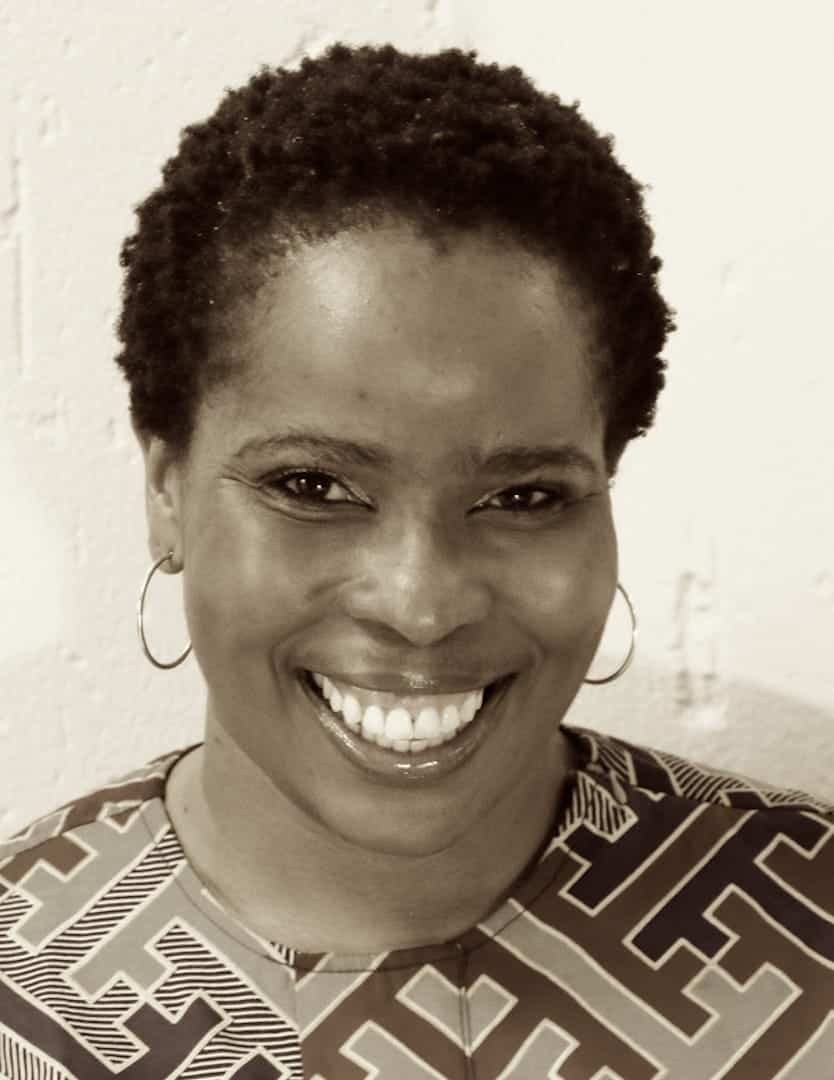
Script consultant, producer, and founder of Raindrop Media. With 20+ years of experience, Mmabatho has worked across global film labs, mentored talent from Brazil to Ethiopia, and shaped projects for Netflix, Sundance, and Berlinale. Her passion? Helping writers find their voice — and telling African stories with global impact.
Neiloe Whitehead

Neiloe Whitehead

JURY PANEL

Writer, script editor, and co-owner of Black Seed Film Hub. Neiloe has penned for hits like uBettina Wethu, and sharpened her story-dev chops with Realness/Netflix. She’s all about empowering underrepresented voices and bringing fresh formats to screen.
Palesa Shongwe

Palesa Shongwe

JURY PANEL

Award-winning filmmaker, scholar, and screenwriting lecturer. Palesa’s films Atrophy, uNomalanga and the Witch, and 11 to 19 have screened globally, winning at Oberhausen and DIFF. A Realness alum and Fulbright scholar, she’s currently developing her debut feature.

MEET THE MAKERS AT

FILM SCREENINGS

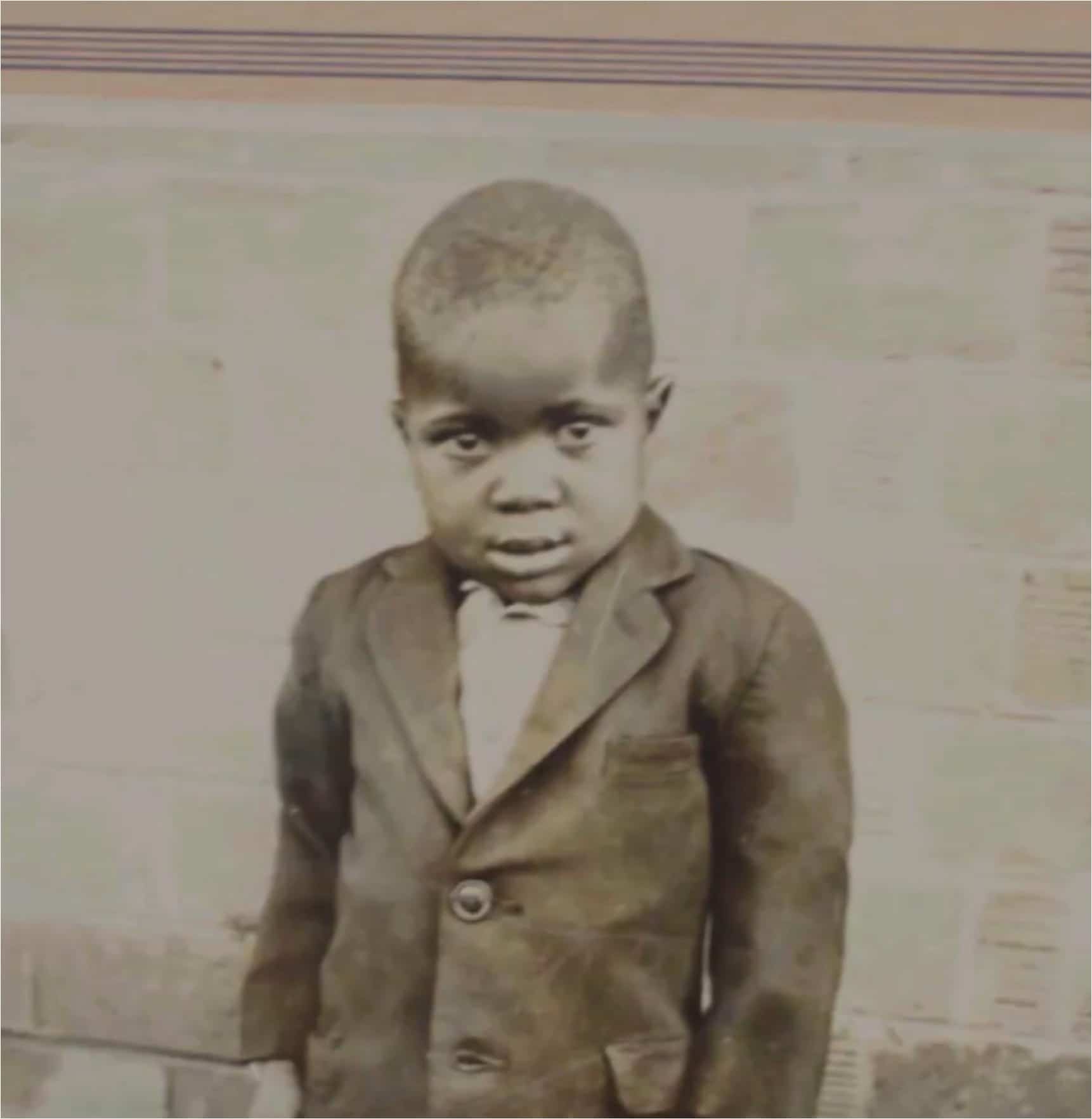
Enos Ngutshane
DURATION: 48 mins

The Story of Enos Ngutshane and his fellow 1976 student leaders telling the story of the collective resistance against inferior education that culminated in the June 16 mass killings of students, and subsequent youth led uprising.
Director: Lebohang Mokgotho | Producer: Lebzmediahive | DOP: Neo R Paulus

Christopher Truter, A child of 1976

DURATION: 24 mins

Christopher Truter was the first coloured student from the Cape Flats of Cape Town to be killed by police in August of 1976, the year that became a turning point in the struggle against apartheid in South Africa. Nearly 50 years later, Christopher’s niece, Carmelita Truter, who was five when he was killed, has embarked on a new struggle – to get Christopher the recognition he deserves as an unsung hero of the 1976 uprising.
Deidré Jantjies is a cultural activist, passionate about the historical stories of women and indigenous knowledge. She is the founder of Na Aap Productions, a broad-based black production company, screening untold stories of Southern Africa. Indigenous heritage and traditions that have been forgotten, are the most important conversations that she wants to create. In 2020 she wrote, directed & produced ‘Stories in die Wind’ a web series that tells the indigenous story of a young girl finding her purpose. The web series then turned into a children’s book written by Deidré and published by NB Publishers in November 2022. This work won her two awards at the Cultural Affairs Awards Ceremony: “Most Innovative Young Artist” & “A Project that Promotes Sign Language or Marginalised Indigenous Language of the Western Cape” in 2023. She is also the producer of the Carissa feature film releasing in cinema’s 2025. Carissa won the Final Cut Venice 2023 post-production award. And had its World Premier at the Venice International Film Festival in 2024. Her book ‘Stories in die Wind’ won at this year 2024 (SALA) South African Literature Awards, winning a Children’s Literature Award. This year she also directed her first short documentary film called ‘Christopher Truter’, a story of the first coloured learner from the Cape Flats of Cape Town to be killed by police in the 1976 uprising.
Director: Deidré Jantjies | Writer: Anton Fisher | Producer: Anton Fisher | DOP: Johann Abrahams

Le Gae Laka

University of the Witwatersrand

In the heart of Limpopo, Dimpho grapples with the profound loss of her mother. Navigating a landscape where home no longer offers solace as she struggles to find her place and meaning amidst her grief, Dimpho emerges into a role of unexpected strength shouldering the care of her sister in a poignant journey of resilience and redefined belonging.
Official Selection – 2025 Films & Filmmakers In Competition
Writer: Dimpho Malatjie | Producer: Lerato Monaheng | Key Cast: Dimpho Malatjie | Editor: Nduvho Musandiwa | Camera Operator: Samuela Mansiantima

This Body Was Once Hers

University of the Witwatersrand

Three aspiring young female filmmakers embark on a journey to explore the experimental film’s capabilities to tell a story of their individual yet shared experiences with their female bodies. Drawing on their personal archive, they juxtapose familial feminity with grotesque images of raw meat and the female reproductive system. In this re-examination of their familial archive, the filmmakers attempt to reclaim the narrative surrounding the experience of their shared womanhood, generational trauma, and body image within the South African context. During the conclusion of the film, the filmmakers present questions about the cycle of pain and presents a platform to discuss the reclamation of the female body.
Official Selection – 2025 Films & Filmmakers In Competition
Chloe Crozier, Suzanne Joubert and Keila Leniese Kock are three young South African filmmakers who met at the University of Witwatersrand. In the fourth year of our studies we worked together to create an explorative film about our shared feelings of dissociation from our bodies. We felt that a lot of these experiences, although rooted within the patriarchy of South Africa, are unintentionally passed down from the women who raised us. The questions that we raise in the film do not come from a place of judgement of our Maternal figures but rather a profound empathy for the young girl they once were, like we once were. In directing the film together, we were able to create a communal space in which we opened the discussion amongst one another about what it would mean to reclaim our bodies?
Directors: Suzanne Joubert, Keila Leniese Kock and Chloe Crozier

Zwepe

University of the Witwatersrand

Zwepe is a captivating documentary that delves into the world of a unique coin toss game played by high school students in Johannesburg, South Africa. The film explores the cultural significance, social dynamics, and personal stories behind this seemingly simple game, revealing its profound impact on the lives of the young participants. The documentary follows a group of high school students as they engage in the game of Zwpe, a traditional coin toss game that has been passed down through generations. The film captures the excitement and tension of the matches, showcasing the strategic thinking and camaraderie among the players. Through intimate interviews and observational footage, the documentary reveals the personal motivations and aspirations of the students, highlighting how the game serves as a platform for them to express themselves and connect with their peers.
Official Selection – 2025 Films & Filmmakers In Competition
Kagiso Shilabje is a visionary director and writer known for his compelling storytelling and deep exploration of youth culture in South Africa. With a passion for shedding light on underrepresented narratives, Kagiso has emerged as a prominent voice in the South African film industry. His latest project, “Zwpe,” encapsulates his commitment to portraying the complexities of adolescent life in township schools.

Growing up in Johannesburg, Kagiso’s formative experiences profoundly shaped his artistic vision. At the age of seven, he first encountered the coin toss game known as Zwepe, an experience that left an indelible mark on him. Reflecting on that moment, Kagiso states, “The feeling I got when I was seven is something weirdly interesting.” This fascination with the game inspired him to delve deeper into its significance within the community, prompting him to explore how Zwepe serves not just as a pastime but as a social event, a side hustle, and even a means of survival for many young people.

Director: Kagiso Shilabje | Writer: Kagiso Shilabje | Producer: Siyamthada Qoma | Cinematographer: Thapelo Ntongwana; Siyabonga Snymes;Kagiso Shilabje | Editor & Sound Design: Scott Paton Levin

Where is the Chicken

University of the Witwatersrand

Luyanda is instructed by his father to look after their chickens. Bullied at school and abused at home, Luyanda dreams of escaping by playing cricket. His father has no time for his son’s daydreams and wants Luyanda to prove his manhood the only way he knows, with his fists. His father’s demands grow increasingly unreasonable and his desire for violence prompts Luyanda to begin dreaming of an alternative solution. His growing resentment is directed towards his father’s prized rooster. As his son contemplates revenge his dreams become more lurid and his father’s constant reliance on violence has disastrous consequences.
Official Selection – 2025 Films & Filmmakers In Competition
Director Keila Leniese Kock grew up in Potchefstroom, North West and moved to Braamfontein, Johannesburg at the age of 18 to study Film & Television at The University of Witwatersrand. During her second year she directed the short film The Space Between Us and in her third year Where’s the Chicken? in Katlehong, near Johannesburg. Both projects were executed with classmates from Wits as crew members. She is now working on her Masters in Film and Television at the University of Witwatersrand.
Director: Keila Leniese Kock | Writer: Jesse Hulley | Producer Mbali Madzinga | Key Cast: Omhle Tshabalalaand David Vezi Cele

The Shadow Scholars
Patricia Kingori is the youngest woman and Black professor in Oxfordʼs 925-year history. Captivated by the hidden, multi-billion dollar ʻfake essayʼ industry, Patricia enters the world of the ʻshadow scholarsʼ – an estimated 40,000 highly-educated, underemployed Kenyans making ends meet by writing academic papers for global students. Scholars like Mercy, a single mother, struggling to support her daughter while writing thousands of words every night to help students in wealthy countries graduate and move into lucrative jobs. In the US, a desperate student sells nudes to pay for the promise of a passing grade for her midterms. The tension grows between the demand and the parallel threats of UK and Australian crackdowns and the rise of AI, and Patricia asks: If the worldʼs elite can pay for degrees they didnʼt earn – and educated Kenyans cannot find jobs outside this industry – then what is the real value of education? The inner workings of an entire global online network are brought to life in the film. The identities of the scholars have been given AI-Generated digital disguises by the filmmakers as protection from international government clamp-downs on the essay-writing industry. The identities of the scholars have been given AI-Generated digital ʻdisguisesʼ by the filmmakers as protection from international government clamp-downs on the essay-writing industry. Filmed across three continents, ʻThe Shadow Scholarsʼ illuminates how the underground academic economy supports success in the global North, yet deprives Africans and reveals the profound future consequences for us all.
As a Black woman raised in London by a single parent and in a family of community organisers and educators, I was taught I could be anything I wanted to be. There was just one caveat: “Whatever you do, you will always have to work twice as hard as your white counterparts.” I put myself through university and was the first person in my immediate family to access higher education. I understand intimately the effort to replace inequality through education, and how higher education is a promise you grab onto if you are someone with limited access to opportunities. Through collaborating with Professor Patricia Kingori we have been able to work with a team of extraordinary Kenyan-based writers, which no previous film team has had access to. This film presents a rare opportunity to subvert ideas about the superiority of prestigious white academic institutions. For the last 400 years, much of society has been constructed under the ignominy of the belief that Africans and their descendants are intellectually inferior to their white counterparts. Slavery and evolutionary theory cast the millions of black and brown people in the Global South as sub-human and incapable of sophisticated thought, which has directly contributed to discrimination through the implementation of racist economic structures across the world. Led through this examination by our protagonist Professor Patricia Kingori, our film holds up a mirror to the Global Northʼs role in the unequal valuation of knowledge.
Director, Writer and Produced By: Eloïse King